
When Strong Institutions Meet Weak Economies: Lessons from Ecotourism Sustainability in Lombuyan Wildlife Sanctuary, Central Sulawesi


Abstract
Ecotourism in conservation areas has significant potential to enhance local livelihoods while supporting ecosystem protection. Sustainability, however, strongly depends on institutional capacity. This study assesses the sustainability status of ecotourism in the Lombuyan Wildlife Sanctuary (KSM Lombuyan), Banggai Regency, Central Sulawesi, by integrating ecological, economic, social, and institutional dimensions using the Rap_Ecotourism method, a multidisciplinary rapid appraisal adapted from the Multidimensional Scaling (MDS) approach. Data were collected from October to December 2024 through interviews, ground checks, observations and documentation. The analysis results indicate that the overall sustainability index of the Lombuyan ecotourism area is 63.89%, classified as moderately sustainable. Among the four dimensions: the institutional dimension achieved the highest index (82.37%), followed by the social dimension (80.09%), while the ecological (55.18%) and economic (33.13%) dimensions were relatively lower. The results highlight that the traditional institution Pololuanto Lombuyan plays a crucial role in maintaining governance, enforcing local rules and facilitating collaboration between the community and the Central Sulawesi Natural Resources Conservation Agency (BKSDA). This strong institutional framework compensates for economic limitations and supports ecological rehabilitation, particularly through community-led land restoration and monitoring. Our findings reveal that the sustainability of the Lombuyan ecotourism area is strongly influenced by resilience of local institutions and community participation. Strengthening these governance mechanisms offers a viable pathway for improving the long-term sustainability of ecotourism in conservation landscapes.
1. Introduction
Ecotourism refers to travel activities that take place in natural environments both pristine and managed landscapes where visitors engage in informative and participatory experiences that support ecological and socio-cultural preservation. Ecotourism emphasises three essential pillars: ecological sustainability, economic benefit, and social acceptance within local communities. Through direct engagement, visitors can learn, appreciate, and experience local natural and cultural values (Satria, 2009).
Ecotourism as a tourism concept focuses on environmentally friendly and sustainable practices that balance conservation, education, and economic activity (Susanto et al., 2021). Hadinoto (1996) in Widodo (2016) characterises tourism as a multidimensional component of development, while Soebagyo (2012) recognises it as one of the world’s strongest and most globalised industries, increasingly central to national economies. Within this broader context, conservation areas—such as wildlife sanctuaries, nature reserves and protected forests hold great potential for ecotourism, attracting visitors with their biodiversity, cultural traditions and unique landscapes (Flamin & Asnaryati, 2013). For this reason, developing sustainable ecotourism strategies must prioritise environmental conservation and local participation (Angela, 2023).
Sustainable development across economic, environmental, and social dimensions cannot be achieved without the support of effective institutions. Institutional sustainability reflects the capacity of governance systems to coordinate human interaction and achieve long-term objectives where it integrate conservation and development (Pfahl, 2005). The ability of institutions (both formal and informa) to regulate access, enforce rules and facilitate cooperation determines whether ecotourism initiatives succeed beyond short-term projects.
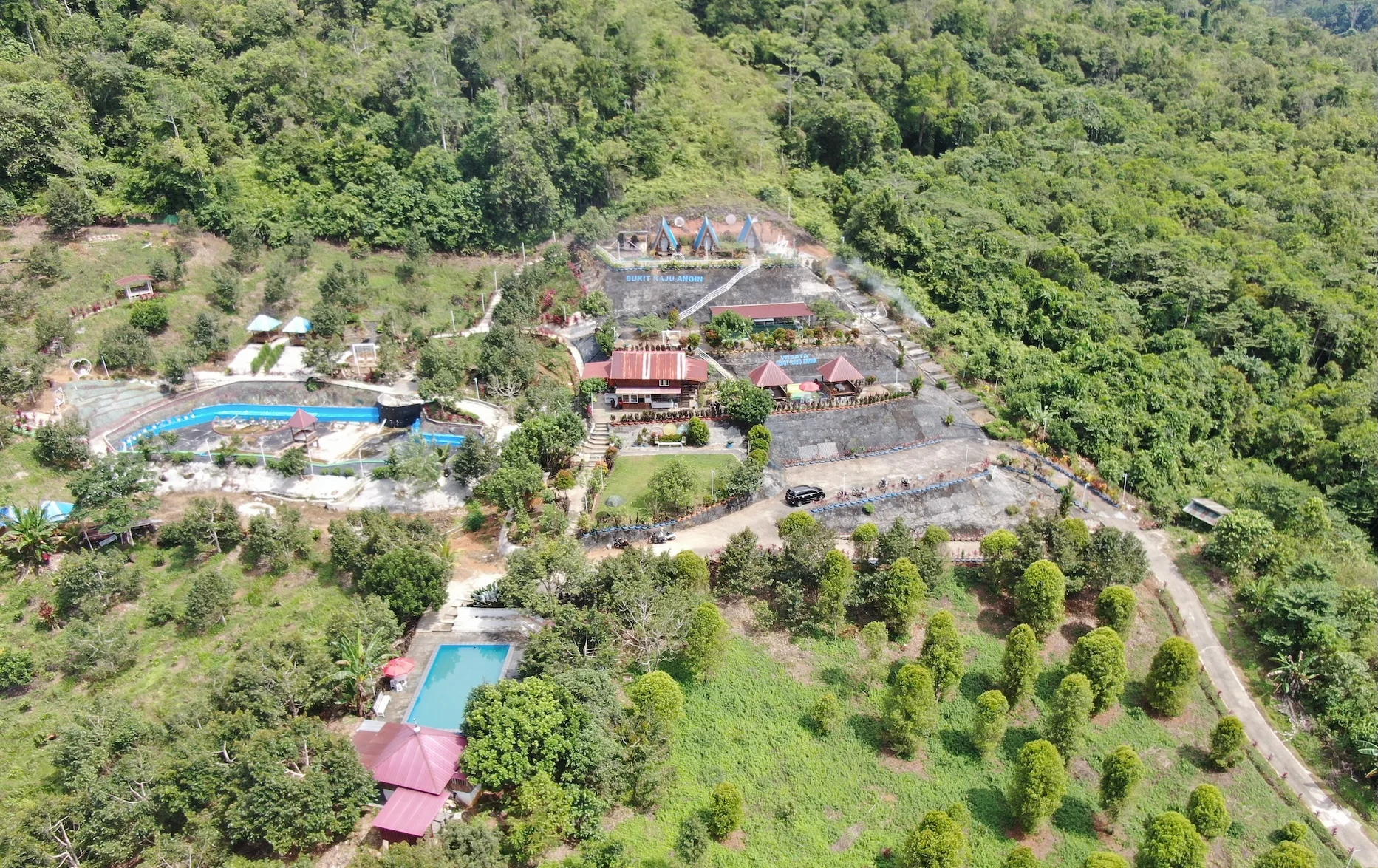
The Lombuyan Wildlife Sanctuary (KSM Lombuyan) is located in Banggai Regency, Central Sulawesi. The area covers 3,069 hectares, assigned under the Ministry of Agriculture Decree No. 750/Kpts/Um/12/1974 and reaffirmed by the Ministry of Forestry and Plantation Decree No. 124/Kpts-II/1999. The sanctuary, managed by the Central Sulawesi Natural Resources Conservation Agency is characterised by savanna forest vegetation and scenic landscapes that have recently attracted ecotourism interest.
Ecotourism in KSM Lombuyan is still at an early stage of development. This ecological area potential contrasts with limited infrastructure and economic opportunities as the main challenges for sustainable management. Nevertheless, the role of traditional institutions such as the Pololuanto Lombuyan is essential to maintaining forest integrity and enforcing customary rules among local communities. Where strong social and institutional foundations but weak economic returns, makes Lombuyan a representative site for understanding how governance structures can sustain conservation-based tourism despite economic constraints.
The purpose of this study is to analyse the sustainability status of ecotourism in the Lombuyan Wildlife Sanctuary across four dimensions: ecology, economy, society, and institutions. Using the Rap_Ecotourism method, a multidisciplinary rapid appraisal adapted from Multidimensional Scaling (MDS), the study identifies which dimensions and attributes most influence sustainability outcomes. In particular, it examines how institutional and community-based governance mechanisms contribute to maintaining ecological balance and social participation even in the face of limited economic benefits.
2. Method
1) Research Area
This research was conducted in the Lombuyan Wildlife Sanctuary (KSM Lombuyan) (see figure 1), located in Banggai Regency, Central Sulawesi Province, Indonesia. Administratively, the sanctuary lies within Pagimana and North Luwuk Sub-districts and covers a total area of 3,069 hectares. Fieldwork was carried out from October to December 2024. The site was selected because it represents a newly developed ecotourism area managed by the Central Sulawesi Natural Resources Conservation Agency (BKSDA Sulteng), where institutional and community participation are central to conservation and tourism activities
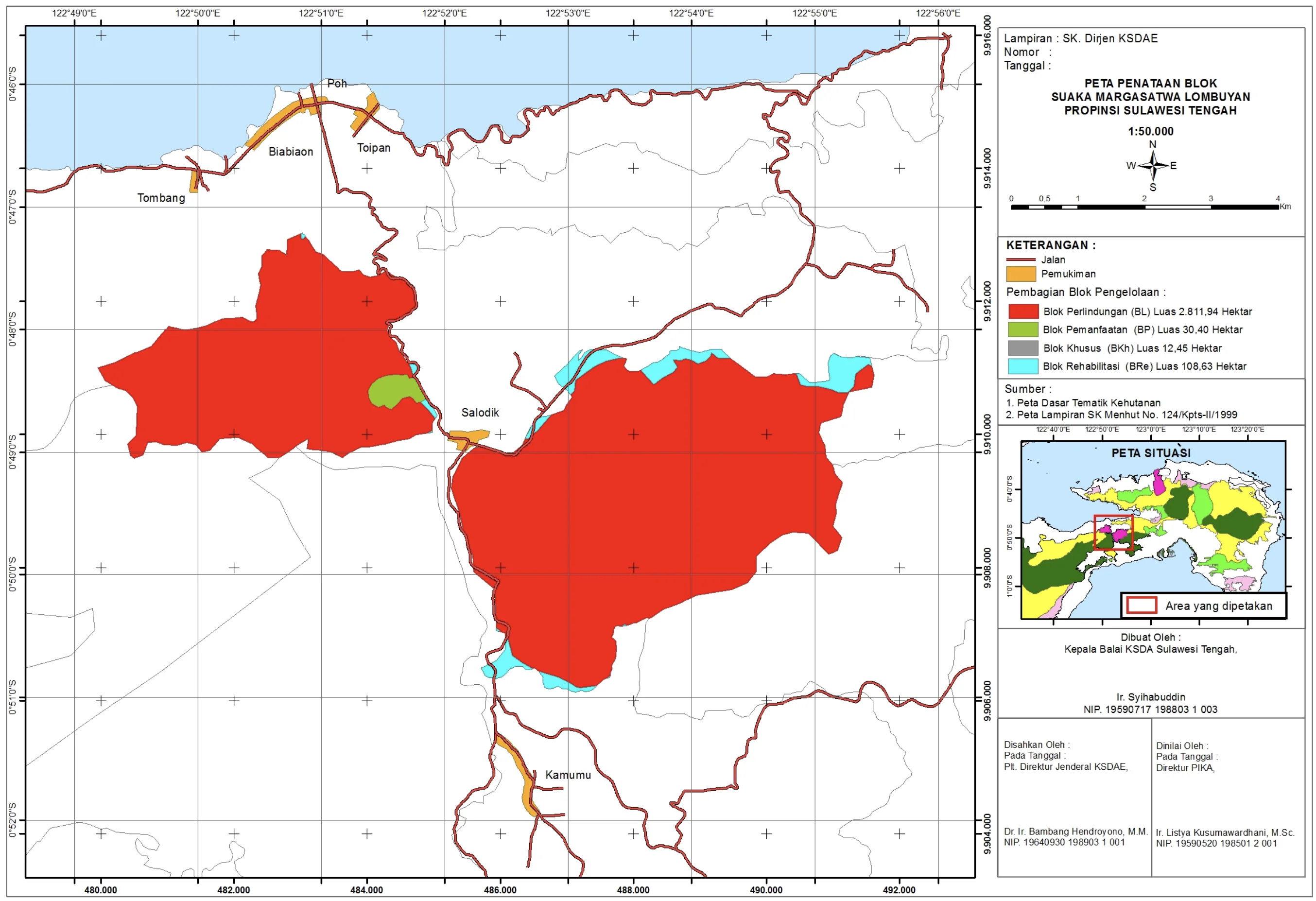
Figure 1. Map of Location KSM Lombuyan
2) Research Design and Data Collection
The study applied a descriptive qualitative approach supported by semi-quantitative analysis. Data collection was undertaken through interviews, ground checks, direct observation, and documentation. Primary data, obtained directly from field interviews and observations. These included ecological conditions, socio-economic characteristics and institutional arrangements. Secondary data, derived from literature and official sources such as the Profile Book of KSM Lombuyan, scientific journals, government reports, and records from the Central Sulawesi BKSDA, the Banggai Regency Tourism Office, private organisations, and local NGOs.
A total of 25 respondents were interviewed using purposive sampling to ensure representation from different stakeholder groups. Respondents included 15 local community members living near the sanctuary; 5 representatives from the traditional institution Pololuanto Lombuyan; 3 BKSDA officers and; 2 staff members from the Banggai Regency Tourism Office.
This composition allowed the study to capture local perceptions, institutional roles and inter-organisational collaboration relevant to ecotourism management.
3) Data Analysis
The sustainability status of ecotourism at KSM Lombuyan was analysed using the Rap_Ecotourism method a modification of RAPFISH (Rapid Appraisal for Fisheries) which employs the Multidimensional Scaling (MDS) technique to assess multiple dimensions of sustainability (Fauzi & Anna, 2005). This approach enables a rapid, semi-quantitative assessment integrating ecological, economic, social, and institutional indicators.
a) Assessment Dimensions and Attributes
Four main dimensions were evaluated (see Table 1): ecological, economic, social, and institutional. Each dimension was defined by six attributes that reflect key sustainability indicators for ecotourism management at Lombuyan Wildlife Sanctuary.
Table 1. Dimensions and Attributes of Ecotourism Sustainability Assessment at Lombuyan Wildlife Sanctuary

Attribute selection was based on literature from Santoso (2012), Osmaleli (2014), Noveliyana (2016), and Karlina (2016).
b) Scoring and Weighting Procedure
Each attribute was scored on a 0–2 scale, following the weighting approach of Nurjannah (2020), where 0 = poor, 1 = moderate, and 2 = good. Weight assignment was informed by existing literature, legal frameworks and expert judgment from relevant institutions.
c) Data Processing
All attribute scores were analysed using the Rapfish software package, modified for ecotourism assessment. The resulting sustainability indices were categorised as follows:
0 – 25 = Unsustainable
26 – 50 = Less Sustainable
51 – 75 = Moderately Sustainable
76 – 100 = Sustainable
The goodness of fit of each dimension was determined by the stress value (S) and the coefficient of determination (R²). A model is considered reliable when S < 0.25 and R² approaches 1.00 (Fauzi & Anna, 2005).
d) Sensitivity Analysis
To identify which attributes most strongly influenced sustainability, a leverage analysis was performed. The Root Mean Square (RMS) change of each attribute was examined by removing one attribute at a time and observing its effect on the sustainability index. Attributes with the highest RMS values were considered the most sensitive factors contributing to sustainability outcomes.
3. Result and Discussion
1) Sustainability Index and Model Accuracy
The analysis using Rap_Ecotourism produced an overall sustainability index of 63.89%, which classifies the Lombuyan Wildlife Sanctuary (KSM Lombuyan) as moderately sustainable. Among the four dimensions assessed, the institutional and social dimensions achieved the highest indices 82.37% and 80.09%, respectively indicating strong governance and social cohesion in ecotourism management. In contrast, the ecological dimension scored 55.18%, while the economic dimension recorded the lowest value at 33.13%, reflecting limited income opportunities and infrastructure (Table 2).
Table 2. Sustainability Status of the Lombuyan Wildlife Sanctuary
The Multidimensional Scaling (MDS) analysis showed acceptable accuracy (see Table 3), with a stress value below 0.25 and an R² value above 0.90, confirming that the model provides could represent of sustainability status across all dimensions.
Our findings show a characteristic pattern often seen in community-based conservation areas, where institutional and social systems are robust but economic performance remains weak due to limited access, small visitor numbers, and low investment. However, the strong presence of local institutions particularly the Pololuanto Lombuyan traditional body, ensures continuity of governance and the enforcement of customary regulations that protect the area from degradation.
Table 3. Statistical Validation of the Rap Ecotourism Analysis
Source: Field analysis using Rap_Ecotourism, 2024
2) Ecological Dimension
The ecological dimension achieved a sustainability index of 55.18%, placing it in the moderately sustainable category. The ordination plot of the Rap_Ecotourism analysis (Figure 2) shows that the ecological attributes are still relatively balanced between good and poor indicators. However, the leverage analysis (Figure 3) reveals that certain attributes exert stronger influence on the sustainability index than others. The two most sensitive attributes were land rehabilitation activities and plant species diversity, with Root Mean Square (RMS) values of 13.43 and 11.24, respectively.
These findings suggest that continuous reforestation and rehabilitation programmes play a central role in maintaining ecological stability at the Lombuyan Wildlife Sanctuary. Current activities include the replanting of Pinus merkusii and other native species on degraded lands within the sanctuary. These initiatives are implemented collaboratively between the Central Sulawesi Natural Resources Conservation Agency (BKSDA) and the Pololuanto Lombuyan traditional institution, whose local rules restrict excessive land clearing, timber extraction, and hunting.
Although community involvement and customary regulations have reduced environmental degradation, several challenges remain. The absence of a permanent monitoring post in remote areas has limited the enforcement of protection measures. Furthermore, ecological restoration efforts rely heavily on project-based funding and lack long-term financial support, which affects consistency in rehabilitation outcomes (Ridwan et al., 2025).
The moderately sustainable status therefore reflects both progress and vulnerability. The ecological system continues to recover, but sustained monitoring and resource allocation are essential to prevent future degradation. Similar findings were reported by Wulandari et al. (2024), who observed that community collaboration and local institutional support are crucial in maintaining the ecological balance of coastal and forest ecosystems. The Lombuyan case confirms that local participation and traditional governance can partly compensate for limited financial capacity in sustaining ecological restoration.
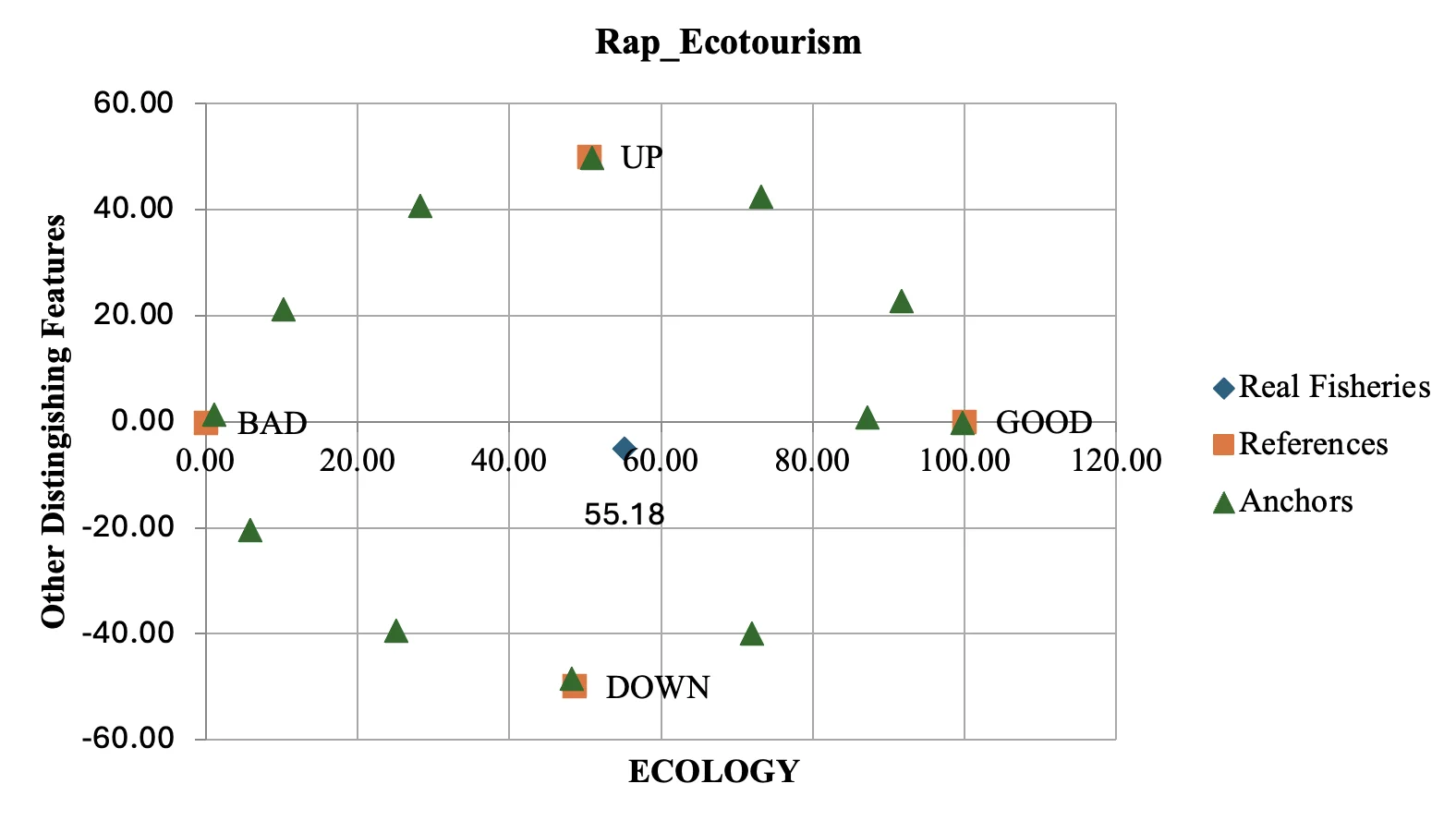
Figure 2. Ordination of the Ecological Dimension in the Rap_Ecotourism Analysis
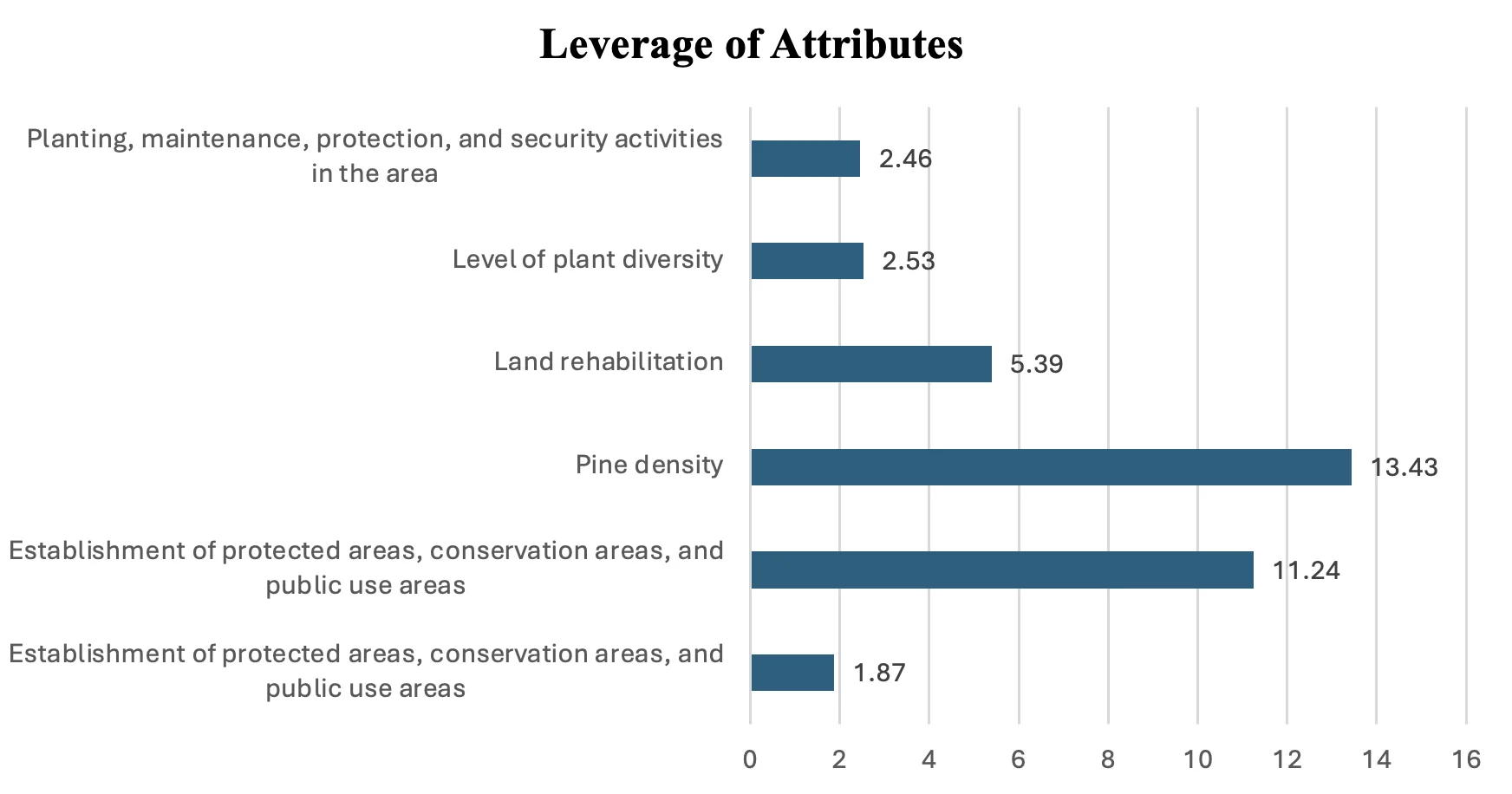
Figure 3. Leverage of Attributes in the Ecological Dimension
3) Economic Dimension
The economic dimension obtained the lowest sustainability index, 33.13%, which categorises it as less sustainable. The Rap_Ecotourism ordination plot (Figure 4) shows that most attributes of the economic dimension cluster near the poor sustainability range, confirming weak economic performance in the Lombuyan Wildlife Sanctuary. The leverage analysis (Figure 5) identifies accessibility and visitor numbers as the most sensitive attributes influencing this dimension. Both factors recorded the RMS values, where it show that improvements in infrastructure and visitor flow would significantly raise the economic sustainability index.
These findings reflect the early stage of ecotourism development in Lombuyan, where natural potential is high but facilities and promotional activities remain limited. The remoteness area and poor road access restrict the number of visitors and the growth of local tourism enterprises. As a result, community income derived directly from ecotourism is minimal and primarily supplementary to agricultural activities such as farming and forest-based gathering.
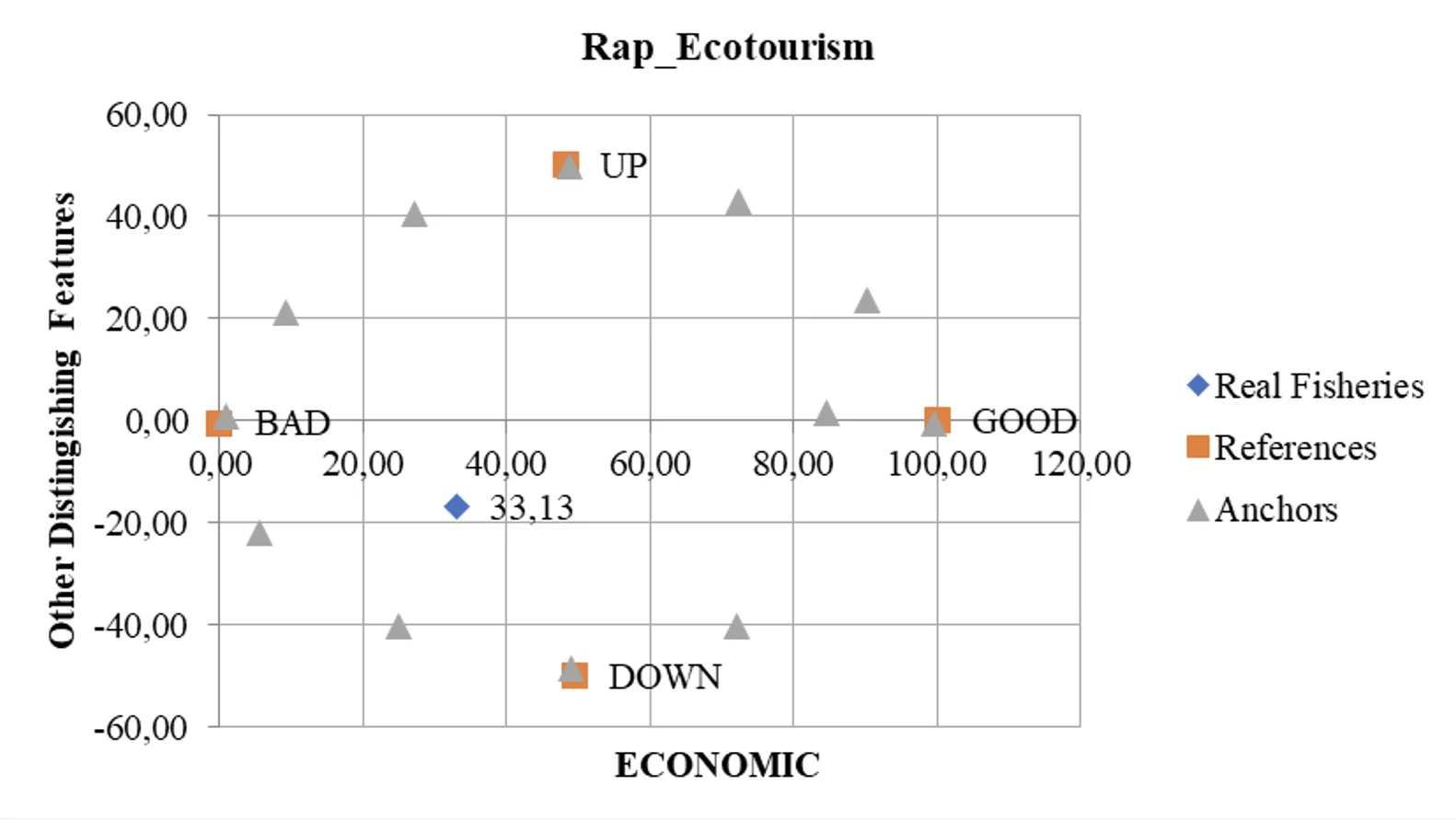
Figure 4. Ordination of the Economic Dimension in the Rap_Ecotourism Analysis
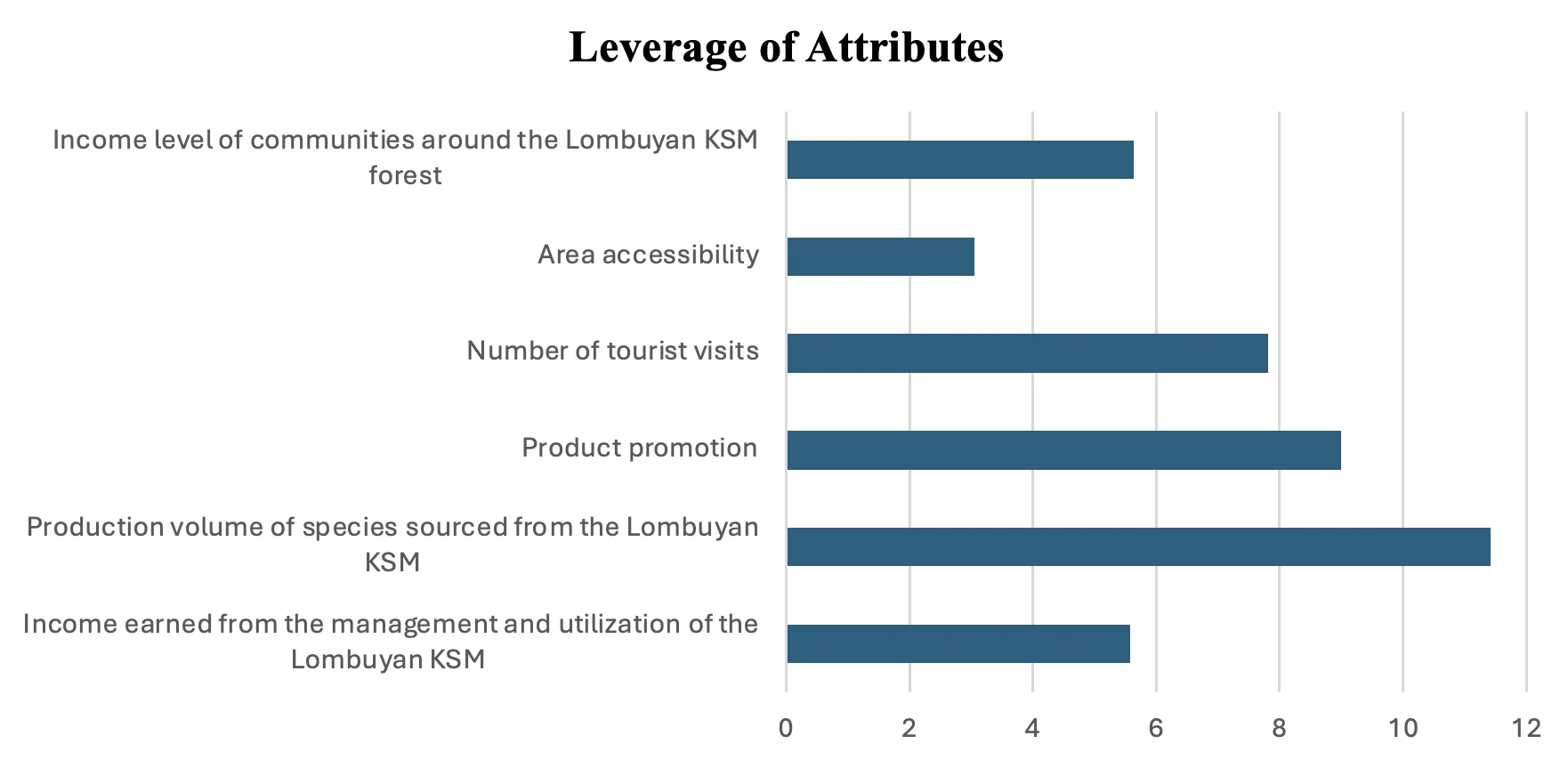
Figure 5. Leverage of Attributes in the Economic Dimension
Although local residents show high enthusiasm for participating in ecotourism, the lack of capital and institutional mechanisms for small-scale entrepreneurship constrains economic benefits. No permanent tourist accommodation or food service infrastructure exists and existing facilities are maintained on a voluntary basis by local groups. This situation is consistent with findings by Kasmir et al. (2021), who reported that limited accessibility and marketing are major barriers to achieving economic sustainability in similar community-based tourism areas in Indonesia.
But, the strength of institutional and social systems has helped maintain continuity in conservation and management activities. The Pololuanto Lombuyan institution and BKSDA facilitate coordination for guiding visitors, collecting entrance contributions and promoting local events. These initiatives show that even in contexts of financial weakness together institutional resilience and community commitment sustain ecotourism governance, reflecting strong institutions meeting weak economies (Sutadewa et al., 2025).
4) Social Dimension
The social dimension achieved a sustainability index of 80.09%, classifying it as sustainable. Where Figure 6 show that most social attributes are positioned in the good quadrant, indicating a high level of community involvement and collective awareness in managing the Lombuyan Wildlife Sanctuary. The leverage analysis (Figure 7) identified education and training programmes and coordination among stakeholders as the most sensitive attributes influencing this dimension, with the highest Root Mean Square (RMS) values recorded.
These results highlight that the success of ecotourism management in Lombuyan is strongly supported by social cohesion and local knowledge. Community members are actively involved in patrolling forest areas, maintaining facilities, guiding visitors, and participating in environmental education activities. The presence of regular training facilitated by the BKSDA Sulawesi Tengah and the Pololuanto Lombuyan institution has strengthened public understanding of conservation principles with improved local confidence in managing tourism activities.
Social sustainability in Lombuyan is also reinforced by a shared sense of responsibility rooted in customary norms. The Pololuanto institution functions also as a platform for social learning and coordination between villagers, government and private sectors. This inclusive approach creates mutual trust and transparency in decision-making to reducing potential conflicts between conservation objectives and economic needs (Tarino & Purnomo, 2024).
The findings correspond with Ely et al. (2021), who emphasised that community participation and social networks are critical drivers of ecotourism sustainability in coastal and forest ecosystems. As in other community-based tourism settings, the Lombuyan case show that strong social capital can compensate for limited financial investment. The cooperation between BKSDA officers with traditional institution and local community has effectively maintained to supported conservation and fostered visitor satisfaction. Thus, this make the social strength of the Lombuyan community acts as a stabilising force that complements the area’s institutional robustness and offsets its economic weakness.
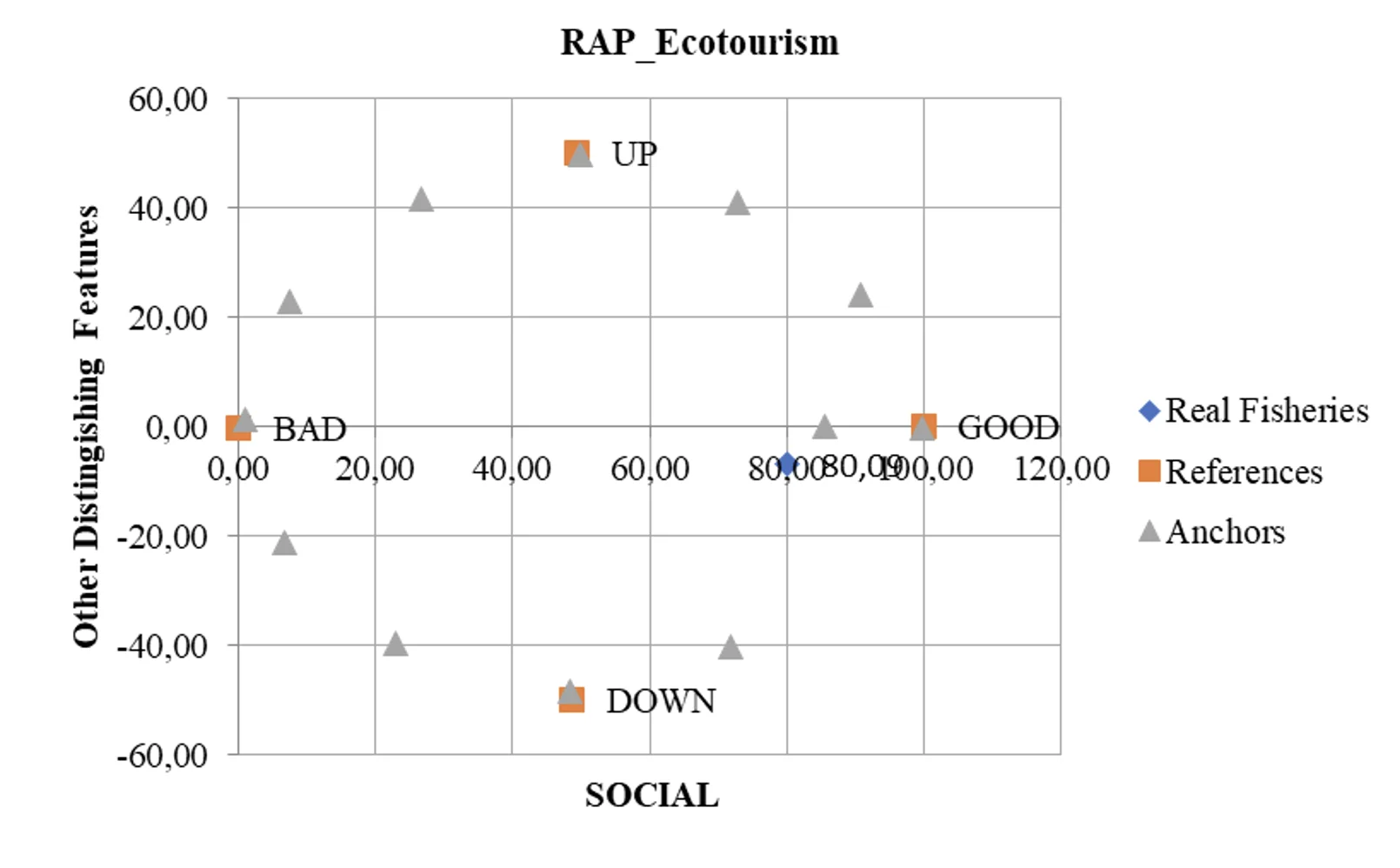
Figure 6. Ordination of the Social Dimension in the Rap_Ecotourism Analysis
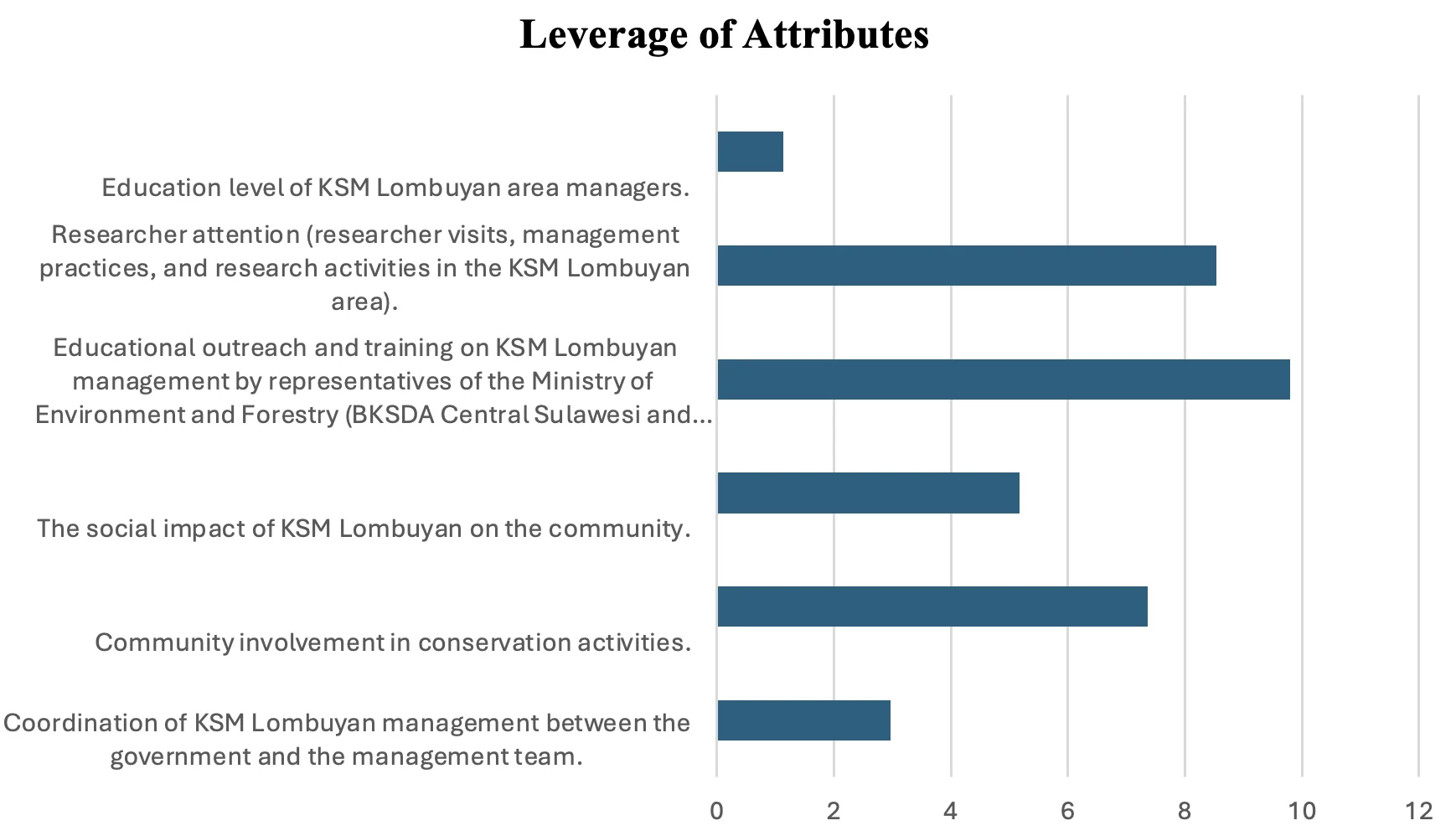
Figure 7. Leverage of Attributes in the Social Dimension
5) Institutional Dimension
The institutional dimension achieved the highest sustainability index of 82.37%, placing it in the sustainable category. The ordination results from the Rap_Ecotourism analysis (see Figure 8) show that all attributes of this dimension are located within the good sustainability range, confirming strong institutional capacity at the Lombuyan Wildlife Sanctuary. The leverage analysis (see Figure 9) indicates that three attributes exert the greatest influence on sustainability outcomes: the role of local institutions (Pololuanto), the availability of formal and informal regulations and government commitment. These three attributes recorded the highest RMS values, demonstrating that the effectiveness of governance mechanisms determines the stability of ecotourism management in this area.
The Pololuanto Lombuyan institution plays a central role in organising community participation, enforcing customary rules, and mediating between local residents and the Central Sulawesi Natural Resources Conservation Agency (BKSDA). Its customary regulations prohibit illegal logging, unplanned land conversion and wildlife hunting, while also requiring local residents to maintain forest cleanliness and report any violations to BKSDA officers. This collaborative system of formal–informal governance has created a dual structure that strengthens both state and community management legitimacy.
Government commitment is expressed through periodic coordination meetings, training programmes and technical support for infrastructure maintenance. The formal recognition of Pololuanton role within conservation management show how local and national institutions can complement one another. This condition aligns with Pfahl (2005), defines institutional sustainability as the ability of governance systems where the system enforces collective action and flexibily adapt environment and social changes. The Lombuyan case exemplifies this principle, where adaptive cooperation between traditional institutions and state agencies sustains ecotourism despite economic limitations.
The strong institutional performance also reflects high levels of transparency, trust, and compliance within the community. This institutional resilience acts as a social safety net, maintaining order and ecological protection in situations where financial and technical resources are limited. This institutional dimension serves as the backbone of sustainability area, proving that effective local governance can compensate for poor economic situations (Massiri et al., 2019).
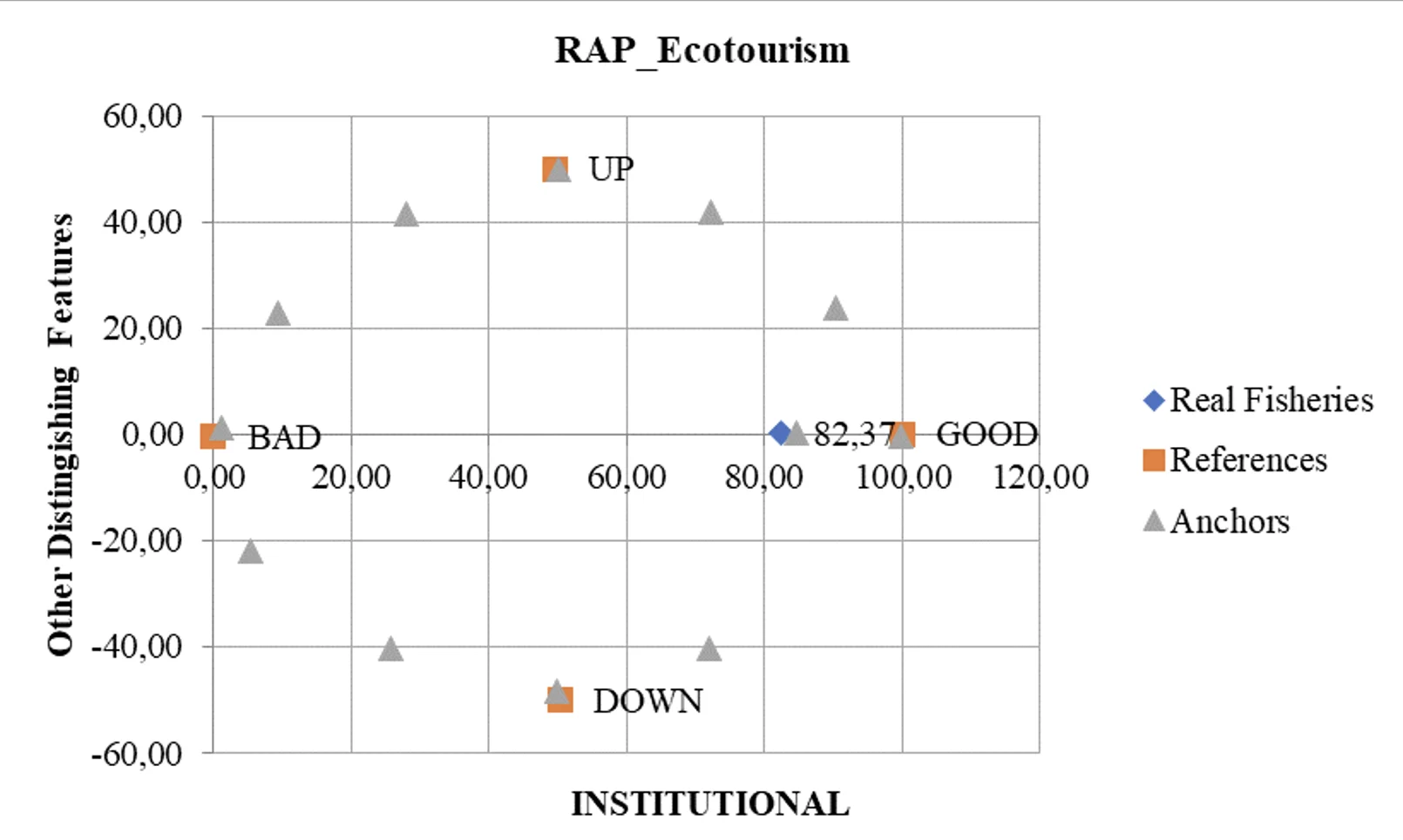
Figure 8. Ordination of the Institutional Dimension in the Rap_Ecotourism Analysis
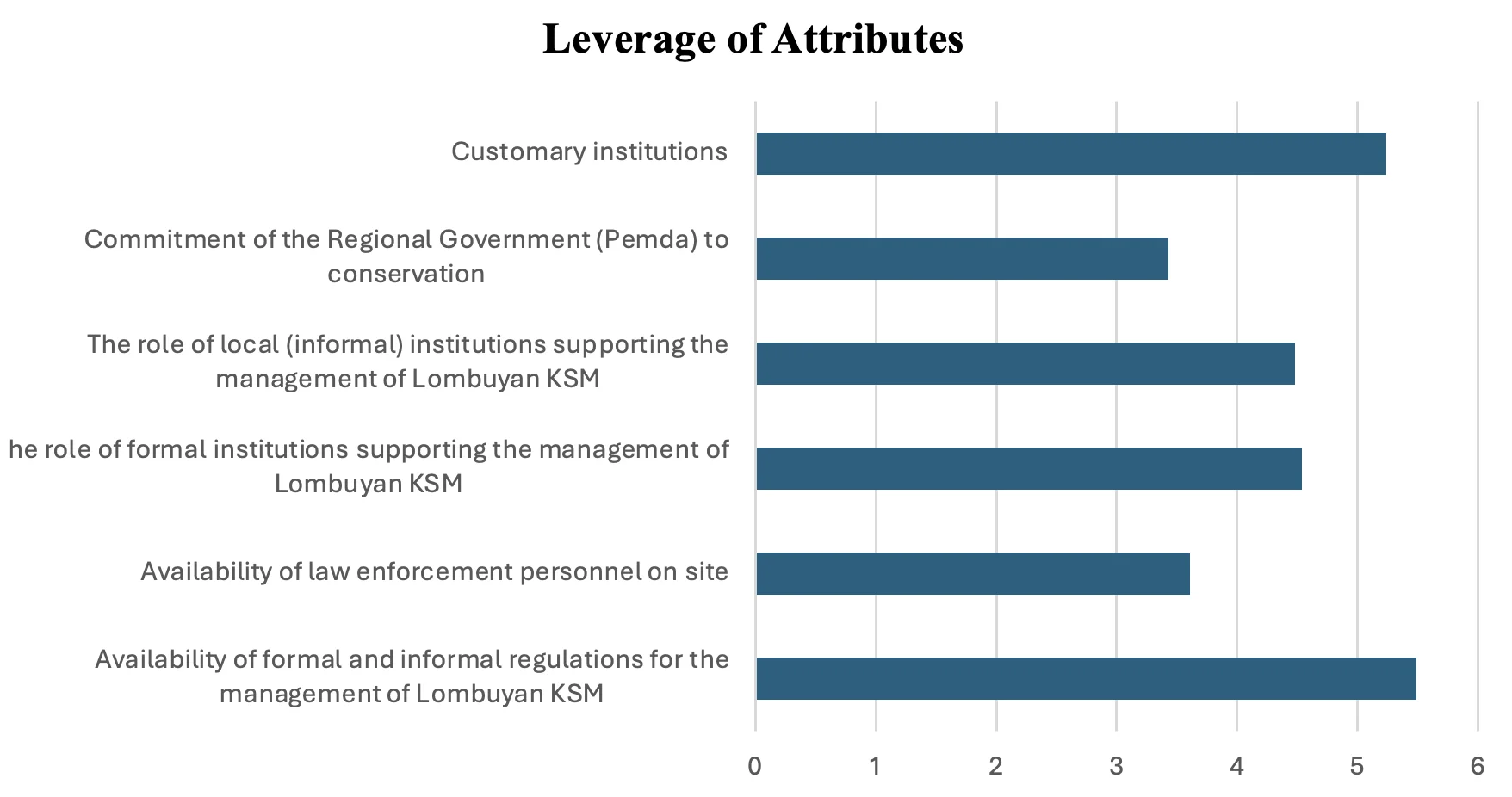
Figure 9. Leverage of Attributes in the Institutional Dimension
6) Interaction between dimensions
Although the four sustainability dimensions ecological, economic, social, and institutional were analysed separately, their interaction determines the overall resilience of ecotourism in the Lombuyan Wildlife Sanctuary. The relationships among these dimensions are illustrated in the radar diagram (see Figure 10), which shows the relative sustainability indices for each dimension. The shape of graph indicates that the institutional (82.37 %) and social (80.09 %) dimensions extend furthest on the scale, while the economic dimension (33.13 %) appears shortest, reflecting weak financial performance. The ecological dimension (55.18 %) lies in the middle, suggesting moderate environmental stability.
Figure 10. Radar Diagram of Ecotourism Sustainability Indices in the Lombuyan Wildlife Sanctuary (showing the relative balance of ecological, economic, social, and institutional dimensions)
The kite-shaped diagram highlights a structural imbalance typical of community-based ecotourism systems: strong governance and social participation sustain ecological integrity even when economic benefits remain limited. The solid performance of the institutional and social dimensions demonstrates the ability of local institutions especially the Pololuanto Lombuyan to enforce customary rules, coordinate conservation activities, and maintain community engagement in tourism operations.
The social and institutional dimensions, both classified as sustainable, thus compensate for weaknesses in the economic dimension. This interdependence ensures that conservation practices continue even with limited funding and infrastructure. The BKSDA Sulawesi Tengah with formal administrative oversight and Pololuanto reinforces social cohesion and compliance at village level, both maintain ecological resilience through shared responsibility and trust. However, without stronger economic incentives or external investment, community motivation may decline over time, particularly if visitor numbers or financial returns remain low. Similar conditions were observed by Kasmir et al. (2021) in other Indonesian community-based tourism areas, where institutional resilience and social cooperation maintained sustainability in the absence of market profitability.
The Lombuyan case illustrates a form of institutional resilience. Where governance and social norms function as stabilising forces against economic constraints. This finding reinforces the notion that ecotourism sustainability is not solely dependent on financial growth but also on the strength of local institutions, collective values and adaptive governance mechanisms.
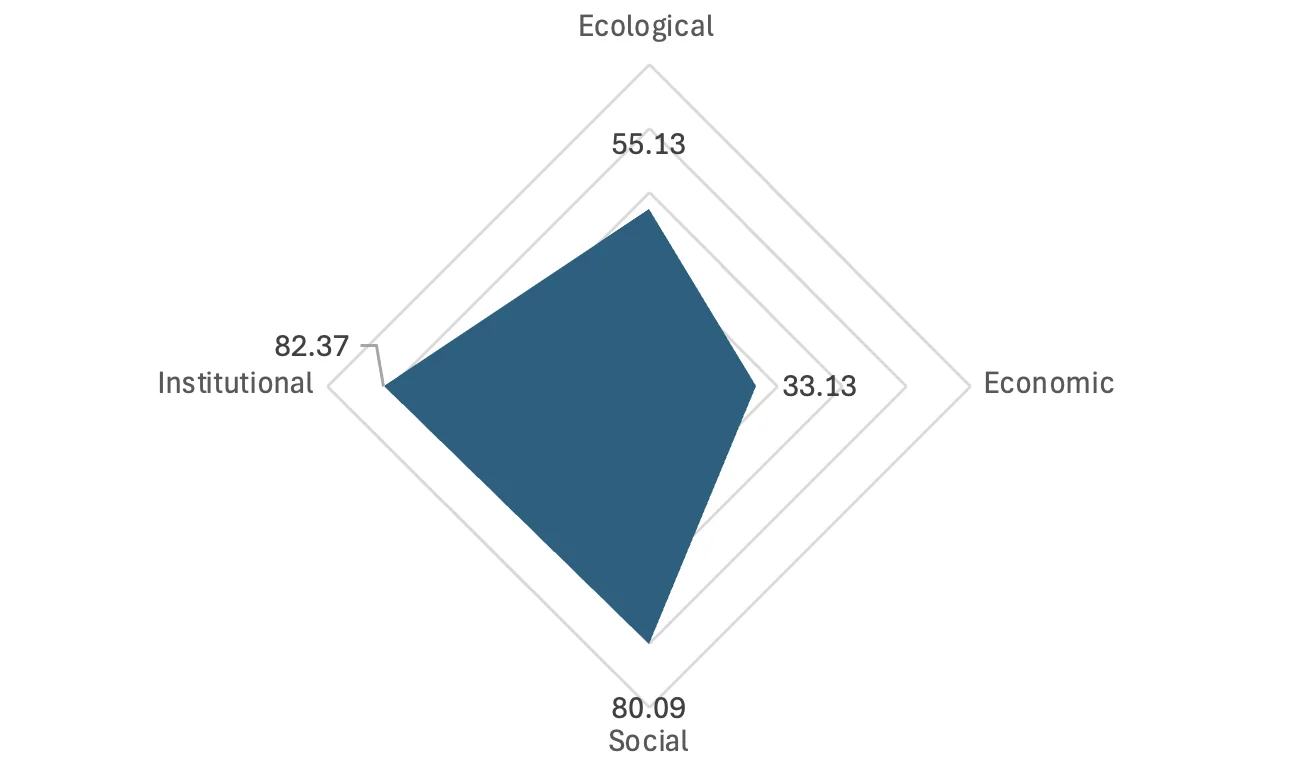
Figure 10. Radar Chart of Sustainability Dimensions of Ecotourism
Furthermore, our overall findings show that the sustainability of the Lombuyan Wildlife Sanctuary depends primarily on the strength of its institutional and social systems, rather than on economic growth. This synthesis confirms that governance and community participation are the foundation of ecological and organisational stability in the area. Despite a low economic index of 33.13 %, the institutional (82.37 %) and social (80.09 %) dimensions have maintained a balance that ensures the continuity of conservation and tourism activities.
This dynamic reflects what Pfahl (2005) describes as institutional sustainability: the ability of organisations to coordinate collective action and adapt to changing environmental and social conditions. In Lombuyan, the partnership between the BKSDA Sulawesi Tengah and the Pololuanto Lombuyan traditional institution has created a co-governance system that blends state authority with customary norms. Such institutional synergy promotes compliance, reduces ecological pressure and preserves social harmony even under limited economic returns.
The findings also demonstrate that strong institutions generate social legitimacy a form of trust and cooperation that reinforces long-term sustainability. Community members actively follow customary rules and engage in collective maintenance of facilities, forest protection, and visitor management. The resulting social capital functions as a non-financial asset, ensuring that conservation continues even when monetary incentives are weak.
However, this model of sustainability also faces structural limitations. Without improvements in infrastructure, access and income distribution, reliance on institutional and social strength alone may not guarantee long-term stability. The community’s motivation could decline if financial benefits from tourism remain low. Therefore, strategies that integrate economic empowerment with governance reform such as developing community enterprises, expanding market access, and attracting local investment are needed to achieve equilibrium across all dimensions.
The Lombuyan case provides a valuable lesson for other conservation areas in Indonesia where ecotourism sustainability can be achieved through institutional resilience and collective commitment in economically marginal. It underscores that adaptive local governance and community-based management are not substitutes for economic growth but essential prerequisites for sustaining conservation and livelihood together.
4. Conclusion
The sustainability assessment of ecotourism in the Lombuyan Wildlife Sanctuary (KSM Lombuyan) reveals that strong institutional and social systems form the foundation of environmental and organisational stability. Even the economic dimension achieved the lowest index (33.13 %), the institutional (82.37 %) and social (80.09 %) dimensions reached sustainable levels, ensuring that conservation and tourism activities continue effectively.
This results show that the resilience of local institutions particularly the Pololuanto Lombuyan and the active participation of the community have successfully maintained ecological integrity and social cohesion despite weak financial returns. Institutional and social strength compensate for economic limitations by providing governance legitimacy, collective responsibility, and adaptive management capacity.
However, this balance might fragile without economic improvement. Future management should integrate governance and livelihood strategies, including infrastructure development, community-based enterprises and diversified tourism products, to enhance local welfare while preserving ecological functions. The Lombuyan case highlights an important lesson for conservation policy in Indonesia wher ecotourism sustainability can emerge from institutional resilience and community solidarity under economic constraint, but long-term success requires translating governance strength into inclusive economic opportunity.
5. Author Contributions
The first author (AL) was responsible for the research concept, data collection, data processing, and writing. The second (SR) and the third (N) author served as the instructor in the use of software.
6. Competing Interests
All authors declare no conflicts of interest regarding this publication.
7. Acknowledgements
The authors express their sincere gratitude to the Central Sulawesi Natural Resources Conservation Agency (BKSDA Sulawesi Tengah) for granting research access to the Lombuyan Wildlife Sanctuary. Special appreciation is extended to the Pololuanto Lombuyan traditional institution and the local communities of Banggai Regency for their cooperation and participation throughout the study.
8. References
Ely, A. J., Tuhumena, L., Sopaheluwakan, J., & Pattinaja, Y. (2021). Strategi Pengelolaan Ekosistem Hutan Mangrove Di Negeri Amahai (Management Strategies of Mangrove Forest Ecosystem on Amahai Village). Jurnal TRITON, 17(November 2018), 57–67. https://doi.org/10.30598/TRITONvol17issue1page57-67
Fauzi A, Anna S. (2005). Pemodelan Sumber Daya Perikanan dan Kelautan untuk Analisis Kebijakan. Jakarta (ID): PT. Gramedia Pustaka Utama.
Flamin, A & Asnaryati. (2013). Potensi dan Strategi Pengembangan TAHURA NipaNipa Kota Kendari Sulawesi Tenggara. Jurnal Penelitian Kehutanan Wallacea. Universitas Haluoleo. Kendari
Hadinoto, Kusudianto. 1996. Perencanaan Pengembangan Destinasi Pariwisata. Jakarta: Penerbit Universitas Indonesia
Karlina E., dkk., (2016). Analisis Keberlanjutan Pengelolaan Hutan-Hutan Lindung Mangrove Di Batu Ampar, Kabupaten Kubu Raya, Provinsi Kalimantan Barat. Weird Science 219.
Kasmir. (2021). Analisis Laporan Keuangan (Revisi). PT RajaGrafindo Persada.
Massiri, S. D., Nugroho, B., Kartodihardjo, H., & Soekmadi, R. (2019). Institutional Sustainability of a Community Conservation Agreement in Lore Lindu National Park. https://doi.org/10.24259/FS.V3I1.5204
Nurjannah. (2020). Pengaruh Lingkungan Kerja dan Motivasi Kerja terhadap Kinerja Pegawai pada Fakultas Kehutanan Universitas Sumatera Utara. Universitas Pembangunan Panca Budi Medan.
Noveliyana Y. (2016). Pengelolaan Ekosistem Mangrove Berkelanjutan di Pesisir Kabupaten Tanggerang, Provinsi Banten [tesis]. Bogor (ID): IPB.
Osmaleli. (2014). Analisis Ekonomi dan Kebijakan Pengelolaan Ekosistem Mangrove Berkelanjutan di Desa Pabean Udik, Kabupaten Indramayu [tesis]. Bogor (ID): IPB.
Pfahl S. (2005). Institutional Sustainability. International Journal of Sustainable Development. 8(1/2):80-96. doi: 10.1504/IJSD.2005.007376.
Ridwan, R., Handayani, T., & Akhir, J. (2025). Faktor-faktor keberhasilan rehabilitasi hutan dan lahan di desa tingkem kecamatan bangjerango kabupaten gayo lues. Wanamukti. https://doi.org/10.35138/wanamukti.v28i1.968
Santoso N. (2012). Arahan Kebijakan dan Strategi Pengelolaan Kawasan Mangrove Berkelanjutan di Muara Angke Daerah Khusus Ibukota Jakarta [tesis]. Bogor (ID): IPB.
Satria, D. (2009). Strategi Pengembangan Ekowisata Berbasis Ekonomi Lokal dalam Rangka Program Pengentasan Kemiskinan di Wilayah Kabupaten Malang. Journal of Indonesian Applied Economics. 3(1), 37-47. http://dx.doi.org/10.21776/ub.jiae.2009.003.01.5.
Soebagyo, (2012). Strategi Pengembangan Pariwisata Di Indonesia. Jurnal Liquidity, Vol 1, No.2
Susanto, H., Irmawati, I., Akmal, H., & Abbas, E. W. (2021). Media Film Dokumenter dan Pengaruhnya Terhadap Keterampilan Berpikir Kritis Siswa. HISTORIA: Jurnal Program Studi Pendidikan Sejarah, 9(1), 65–78.
Sutadewa, N. M. D., Wijaya, K. A. S., & Prabawati, N. P. A. (2025). Pengelolaan Ekowisata dalam Perspektif Collaborative Governance untuk Mewujudkan Sustainable Tourism. Jurnal Hukum Dan Sosial Politik. https://doi.org/10.59581/jhsp-widyakarya.v3i3.5356
Tarino, E. N., & Purnomo, E. (2024). Efforts to Increase Community Participation in Supporting The Continuity of Ecotourism Development Policies. TRJ (Tourism Research Journal). https://doi.org/10.30647/trj.v8i2.216
Angela, V.F, (2023). Strategi Pengembangan Ekowisata dalam mendukung Konservasi Alam Danau Tahai. Jurnal Mahasiswa Pendidikan Sejarah 8(3), 2023. Hal. 984-993.
Widodo, N. (2016). Perencanaan Pembangunan Pariwisata di Daerah (Studi Pelaksanaan Program pada Dinas Pemuda Olahraga dan Pariwisata Kabupaten Pekalongan). Jurnal Ilmiah Administrasi Publik (JIAP), 2(4), 227–235.
Wulandari, C., Kurniasari, N., Bakri, S., Sari Dewi, B., Safe’i, R., and Riyanto. (2024). Perception of Forest Farmer Groups as a Mediating Variable in Achieving Goals as Members of the Forestry Partnership. Jurnal Sylva Lestari 12(2): 401–417. https://doi.org/10.23960/jsl.v12i2.867
##submission.copyrightStatement##
##submission.license.cc.by4.footer##Copyright and License
All articles published in Wasian Journal are the property of the authors. By submitting an article to Wasian Journal, authors agree to the following terms:
-
Copyright Ownership: The author(s) retain copyright and full publishing rights without restrictions. Authors grant the journal the right to publish the work first and to distribute it as open access under a Creative Commons Attribution 4.0 International License (CC BY 4.0).
-
Licensing: Articles published in Wasian Journal are licensed under a Creative Commons Attribution 4.0 International License (CC BY 4.0). This license allows others to share, copy, and redistribute the material in any medium or format, and adapt, remix, transform, and build upon the material for any purpose, even commercially, provided that proper credit is given to the original author(s) and the source of the material

This work is licensed under a Creative Commons Attribution 4.0 International License. -
Author's Rights: Authors are permitted and encouraged to post their work online (e.g., in institutional repositories or on their website) prior to and during the submission process, as it can lead to productive exchanges and greater citation of published work.
-
Third-Party Content: If your article contains material (e.g., images, tables, or figures) for which you do not hold copyright, you must obtain permission from the copyright holder to use the material in your article. This permission must include the right for you to grant the journal the rights described above.
-
Reprints and Distribution: Authors have the right to distribute the final published version of their work (e.g., post it to an institutional repository or publish it in a book), provided that the original publication in Wasian Journal is acknowledged.
For the reader you are free to:
- Share — copy and redistribute the material in any medium or format for any purpose, even commercially.
- Adapt — remix, transform, and build upon the material for any purpose, even commercially.
- The licensor cannot revoke these freedoms as long as you follow the license terms.
Under the following terms:
- Attribution — You must give appropriate credit , provide a link to the license, and indicate if changes were made . You may do so in any reasonable manner, but not in any way that suggests the licensor endorses you or your use.
- No additional restrictions — You may not apply legal terms or technological measures that legally restrict others from doing anything the license permits.
Notices:
You do not have to comply with the license for elements of the material in the public domain or where your use is permitted by an applicable exception or limitation .
No warranties are given. The license may not give you all of the permissions necessary for your intended use. For example, other rights such as publicity, privacy, or moral rightsmay limit how you use the material.