Ethnic Influence Against Land Use Patterns and Its Contribution to Community Income in The Aketajawe Lolobata National Park (Pengaruh Etnis Terhadap Pola Pemanfaatan Lahan Dan Kontribusinya Bagi Pendapatan Masyarakat Di Taman Nasional Aketajawe Lolobata)


Abstract
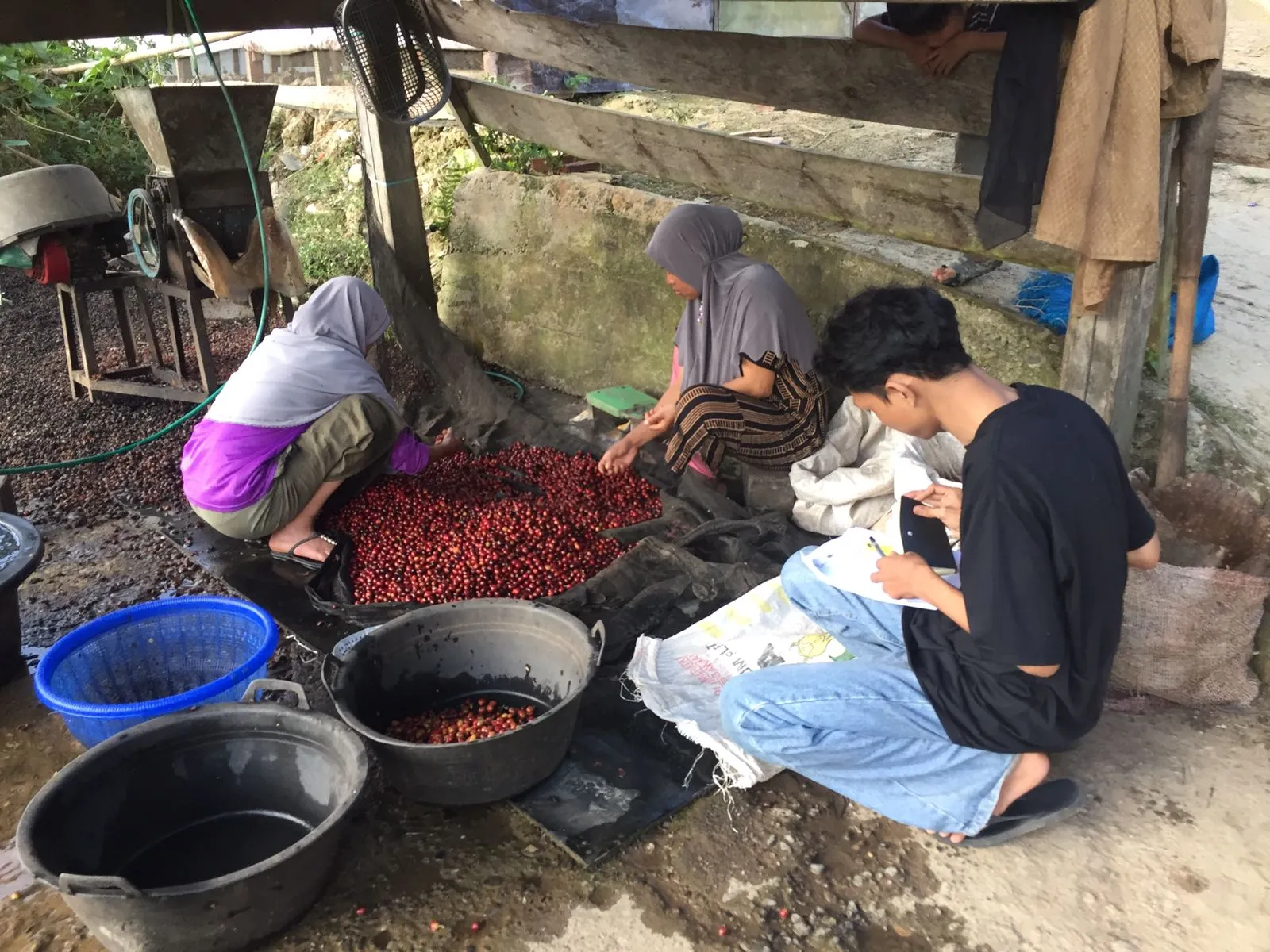
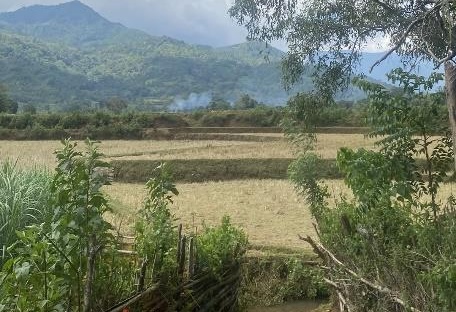
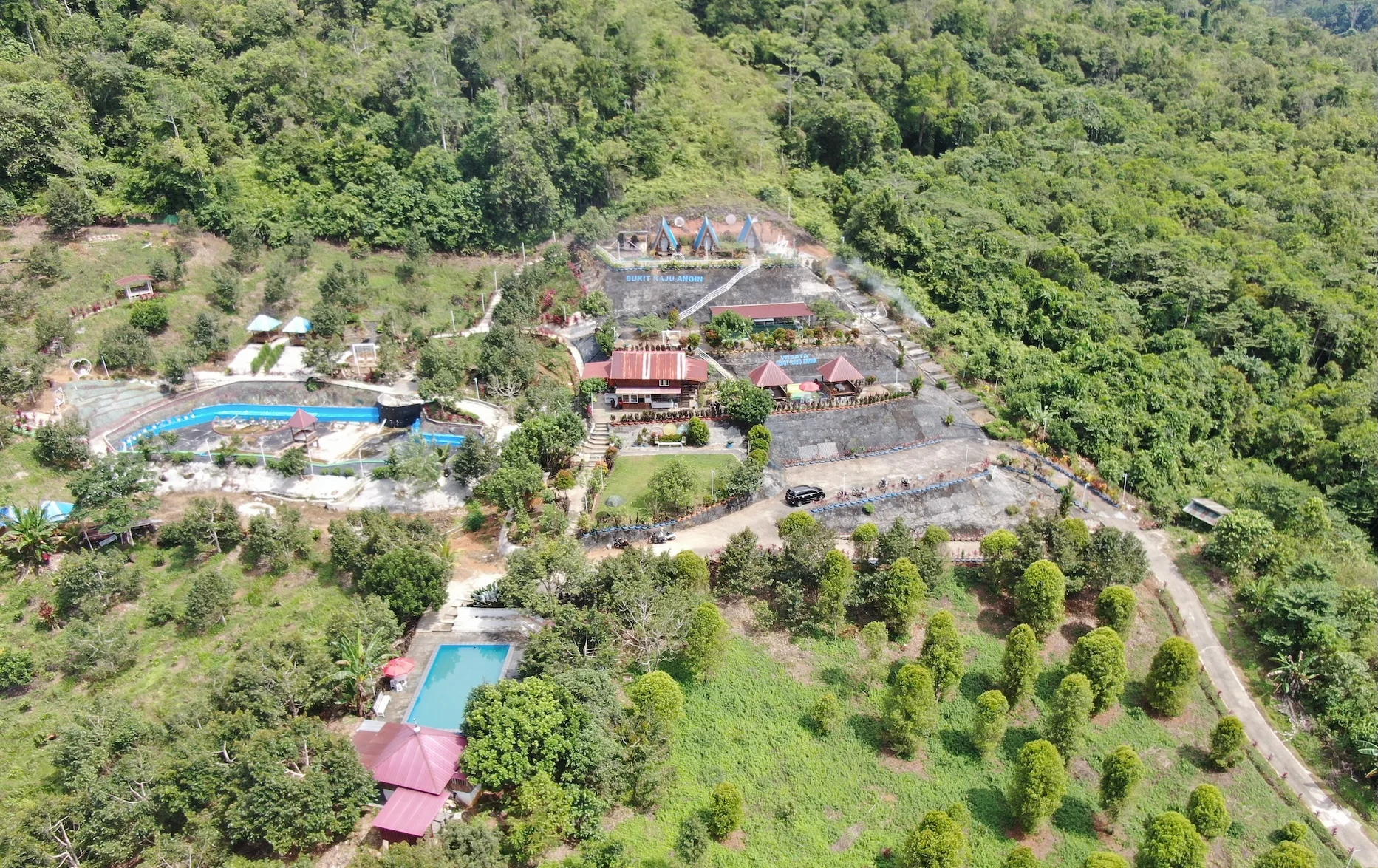
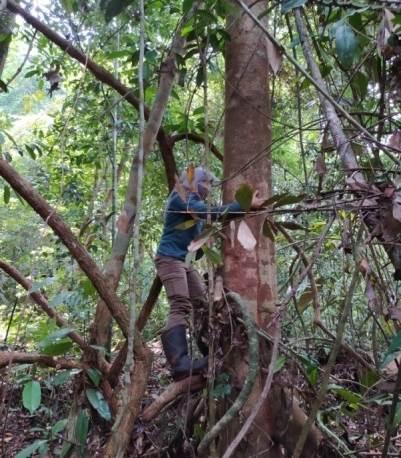
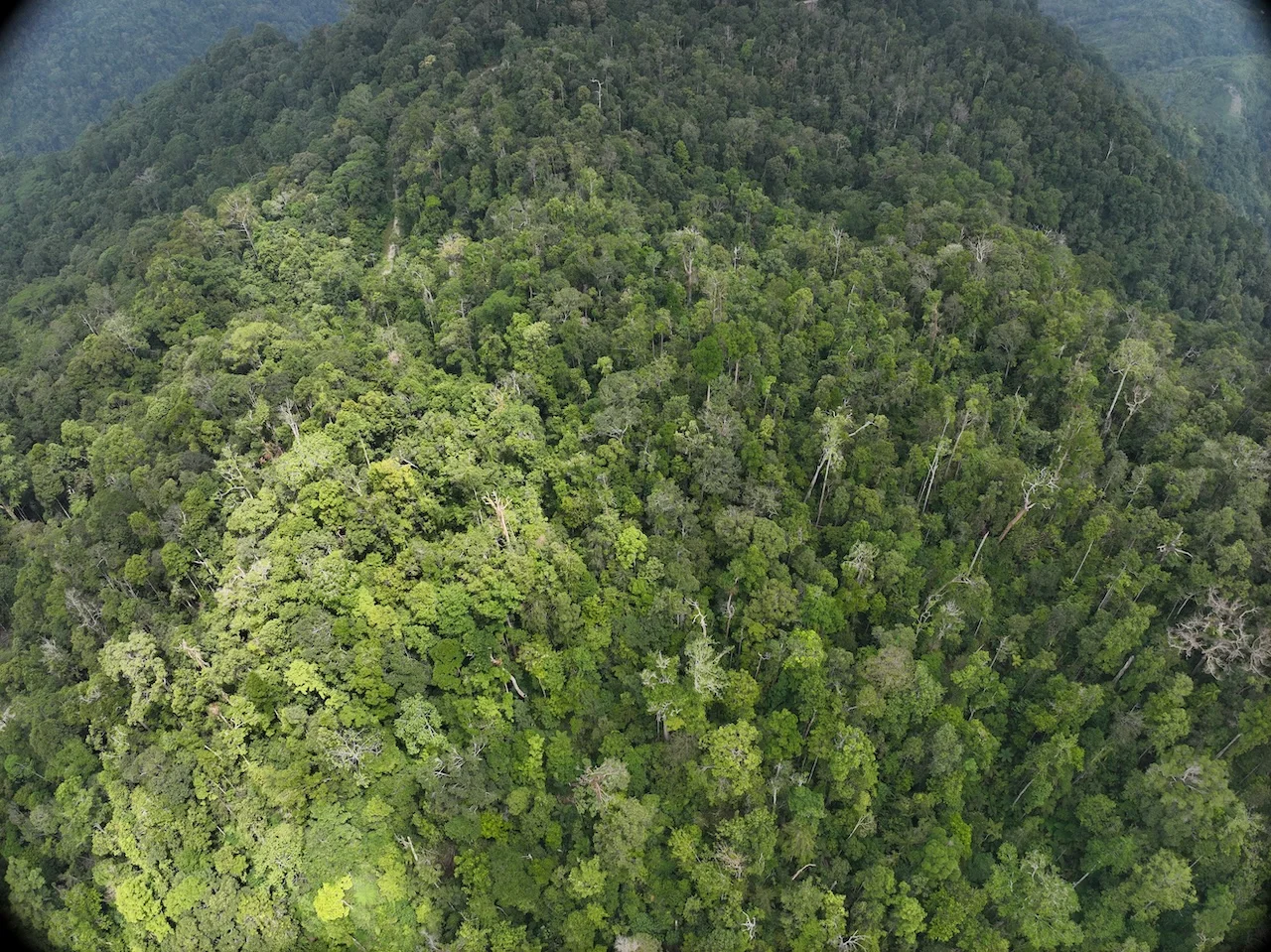
Buffer zone management is an integrated practice of managing forest and agriculture land based on biophysical nature of region and social-culture combination to obtain an optimum forest and agriculture products that support local livelihood economy. The study was to identify the community land use patterns that shapes the buffer zone of Aketajawe Lolobata National Park particularly at Aketajawe block. Sampling villages were determined by stratification based on the distance from the National Park boundary which varied between <3,3-5, and > 5 km. The purposive random sampling was chosen 82 respondents to be interviewed. Land use pattern which applied by communities were divided into six groups according to cultivated commodities i.e. community forest, mixed garden, monoculture garden, intercropping garden, horticulture and rice fields. The differences of these patterns were influenced by background and origin of communities. The indigenous people of Halmahera island used their land as mixed garden while the settler used theirs as rice field and horticulture. Based on the land cover quality, mixed garden pattern was more similar to forest vegetation than another pattern. Rice field pattern gave the largest economic contribution while community forest gave the lowest contribution to the farmer’s income.
Copyright (c) 2015 Jurnal Wasian

This work is licensed under a Creative Commons Attribution-NonCommercial 4.0 International License.
Copyright and License
All articles published in Wasian Journal are the property of the authors. By submitting an article to Wasian Journal, authors agree to the following terms:
-
Copyright Ownership: The author(s) retain copyright and full publishing rights without restrictions. Authors grant the journal the right to publish the work first and to distribute it as open access under a Creative Commons Attribution 4.0 International License (CC BY 4.0).
-
Licensing: Articles published in Wasian Journal are licensed under a Creative Commons Attribution 4.0 International License (CC BY 4.0). This license allows others to share, copy, and redistribute the material in any medium or format, and adapt, remix, transform, and build upon the material for any purpose, even commercially, provided that proper credit is given to the original author(s) and the source of the material

This work is licensed under a Creative Commons Attribution 4.0 International License. -
Author's Rights: Authors are permitted and encouraged to post their work online (e.g., in institutional repositories or on their website) prior to and during the submission process, as it can lead to productive exchanges and greater citation of published work.
-
Third-Party Content: If your article contains material (e.g., images, tables, or figures) for which you do not hold copyright, you must obtain permission from the copyright holder to use the material in your article. This permission must include the right for you to grant the journal the rights described above.
-
Reprints and Distribution: Authors have the right to distribute the final published version of their work (e.g., post it to an institutional repository or publish it in a book), provided that the original publication in Wasian Journal is acknowledged.
For the reader you are free to:
- Share — copy and redistribute the material in any medium or format for any purpose, even commercially.
- Adapt — remix, transform, and build upon the material for any purpose, even commercially.
- The licensor cannot revoke these freedoms as long as you follow the license terms.
Under the following terms:
- Attribution — You must give appropriate credit , provide a link to the license, and indicate if changes were made . You may do so in any reasonable manner, but not in any way that suggests the licensor endorses you or your use.
- No additional restrictions — You may not apply legal terms or technological measures that legally restrict others from doing anything the license permits.
Notices:
You do not have to comply with the license for elements of the material in the public domain or where your use is permitted by an applicable exception or limitation .
No warranties are given. The license may not give you all of the permissions necessary for your intended use. For example, other rights such as publicity, privacy, or moral rightsmay limit how you use the material.
Similar Articles
- I Wayan Sudiyanto, Wahyudi Wahyudi, Assessment and Spatial Mapping of Soil Degradation Status in Bontoharu District, Selayar Islands Regency: A Framework for Sustainable Land Management , Jurnal Wasian: Vol. 12 No. 01 (2025): June
- Wahyullah Wahyullah, Yefane Samperuru, Impact of Land Use Change on Water Yield Using the SWAT Model in the Minraleng Sub-Watershed, Maros , Jurnal Wasian: Vol. 13 No. 01 (2026): June
- Lusiana Pardede, Dian Iswandaru, Yulia Rahma Fitriana, Arief Darmawan, Hari Kaskoyo, Christine Wulandari, Rahmat Safe'I, Susni Herwanti, Novriyanti, Indra Gumay Febryano, Insectivorous Birds Dominate Across Land-Use Gradient Revealing Unexpected Ecological Resilience in Tropical Forest-Coffee Landscapes , Jurnal Wasian: Vol. 12 No. 01 (2025): June
- Ronald Junedie Aneng, Roland A Barkey, Muslim Salam, Analysis of Tenurial Conflict of the Bunaken National Park (A Case Study of Mantehage Island) , Jurnal Wasian: Vol. 8 No. 1 (2021): June
- Andika Lalu, Sitti Ramlah, Reinaldi Reinaldi, When Strong Institutions Meet Weak Economies: Lessons from Ecotourism Sustainability in Lombuyan Wildlife Sanctuary, Central Sulawesi , Jurnal Wasian: Vol. 12 No. 02 (2025): December
- Anugrahandini Nasir, Herawaty Herawaty, Ismail Ismail, Muh Izzul Muslimin Syah, Revealing Carbon Patterns Across Mangrove Density Variations Using Sentinel-2 NDVI , Jurnal Wasian: Vol. 12 No. 02 (2025): December
- Heri Suryanto, Albert Donatus Mangopang , Planting of Nectar Plants as Feed of Butterflies Imago in Bantimurung Bulusaraung National Park , Jurnal Wasian: Vol. 10 No. 02 (2023): December
- Diah Irawati Dwi Arini, Isdomo Yuliantoro, Perception of Local Community of Pinogu Toward Forest and Its Utilization , Jurnal Wasian: Vol. 6 No. 2 (2019): December
- Bertila Avila Delvion, Dwiko Budi Permadi, Hero Marhaento, Fostering Sustainabel Livelihood of the Saga Indigenous Community through Conservation Partnership in Kelimutu National Park, Nusa Tenggara Timur , Jurnal Wasian: Vol. 10 No. 02 (2023): December
- Maria Palmolina, Eva Fauziyah, Conflict Mapping of Gunung Ciremai National Park in Cisantana Village, Cigugur, Kuningan, West Java , Jurnal Wasian: Vol. 7 No. 2 (2020): December
You may also start an advanced similarity search for this article.
Most read articles by the same author(s)
- Margaretta Christita, Iwanuddin Iwanuddin, Yermias Kafiar, Supratman Tabba, Identification of Water Bacteria from Nickel Post Mining in East Halmahera , Jurnal Wasian: Vol. 5 No. 1 (2018): June
- Supratman Tabba, Lis Nurrani, Distribution of Avifauna in Aketajawe Lolobata National Park Based on Zone and Land Cover Typology , Jurnal Wasian: Vol. 3 No. 1 (2016): June
- Lis Nurrani, M Bismark, Supratman Tabba, Institution and Communities Participation in the Conservation Of Mangrove/Case Study in Tiwoho Village, North Province , Jurnal Wasian: Vol. 2 No. 1 (2015): March
- Supratman Tabba, Nurlita Indah Wahyuni, Hendra Susanto Mokodompit, Composition and Structure of Tiwoho Mangrove Vegetation at Bunaken National Parkional Park (Komposisi Dan Struktur Vegetasi Mangrove Tiwoho di Kawasan Taman Nasional Bunaken) , Jurnal Wasian: Vol. 2 No. 2 (2015): December