Institution and Communities Participation in the Conservation Of Mangrove/Case Study in Tiwoho Village, North Province


Abstract
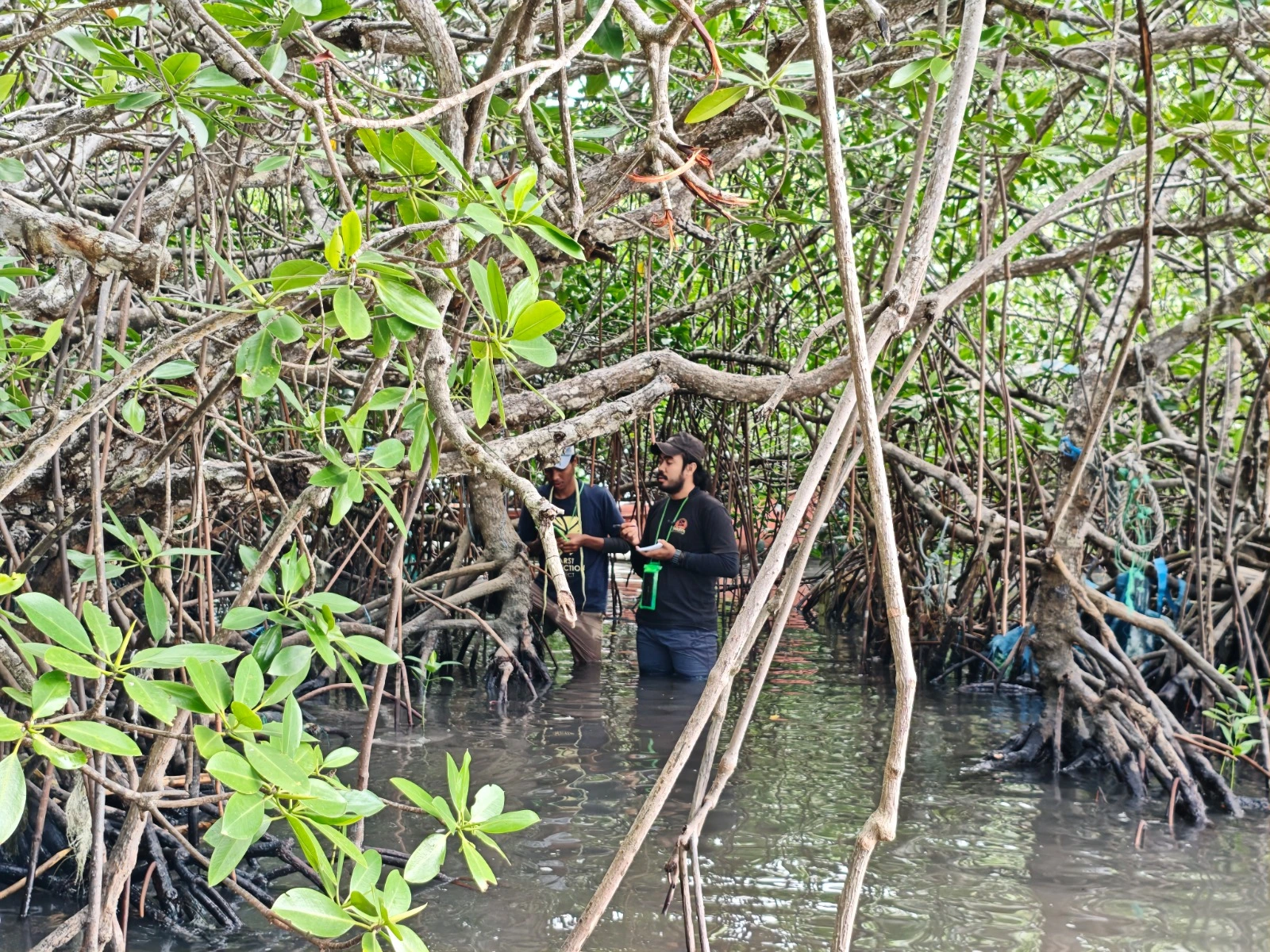
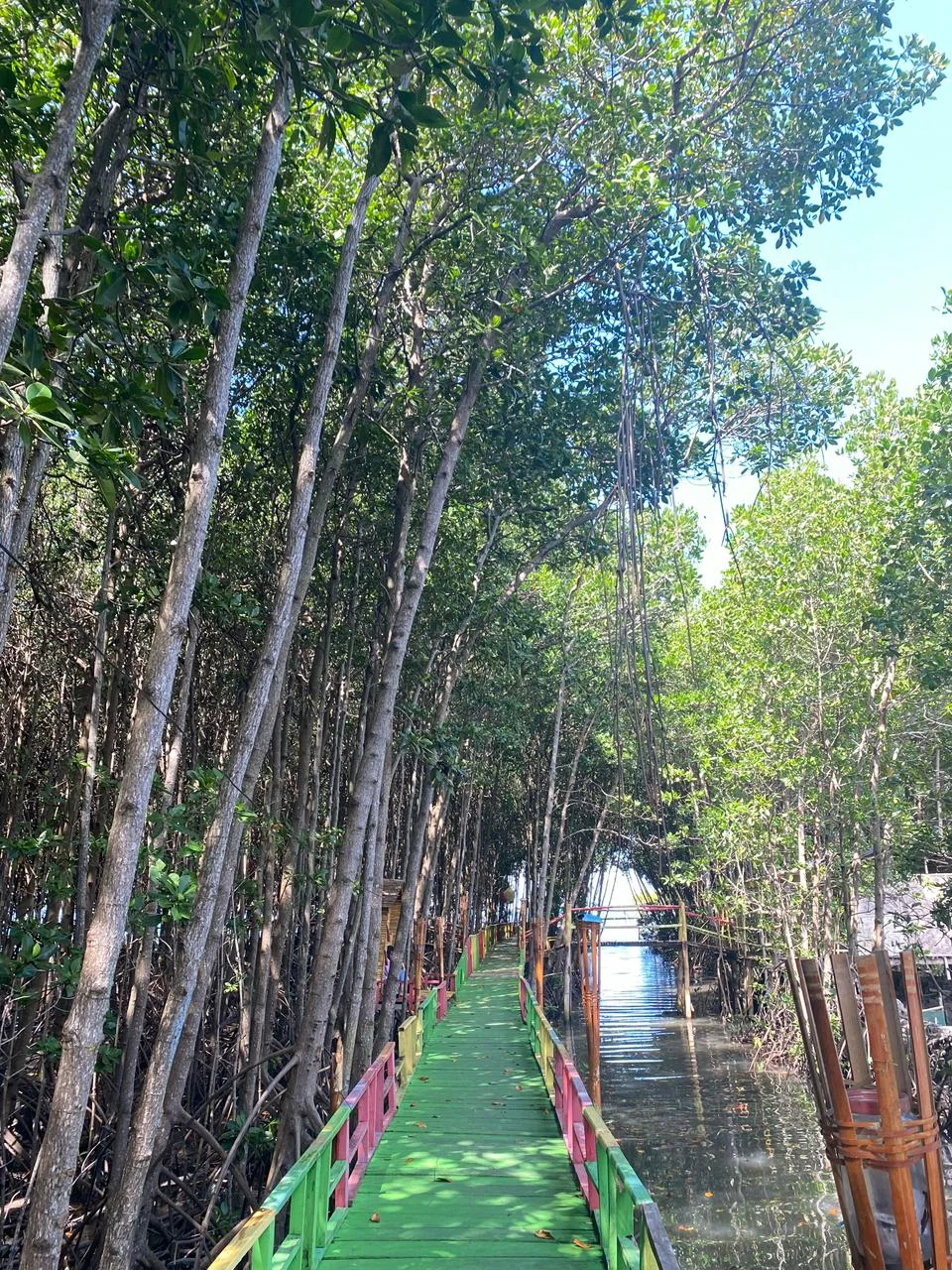
Institutional and community participation is an important aspect being the main pillar in the implementation of the rehabilitation of mangroves. There is rarely any failure in the mangrove rehabilitation because it is not supported by the institutional role to its full potential. This research aimed to inventory the role of institutions and community participation in mangrove conservation in the coastal zone, Tiwoho Village, North Sulawesi Province. Selection of study areas and respondents done by purposive sampling. Data colected by field observation and structured interview with key respondents by using the snawball method. Research showed that some institutions has a major contribution in initiating mangrove conservation in Tiwoho are public figures, village government, NGOs, religious institutions, institutions of formal education, and foreign researcher. The form of community participation in conserving mangrove among others are not cut down of mangrove wood for any reason planting seeds every oportunity and keep mangrove from other community disturbances. Several method of management are expected to be inspiration for stakeholders to be able developed a mangrove forest management system in different place which have similar characteristics.
Copyright (c) 2015 Jurnal Wasian

This work is licensed under a Creative Commons Attribution-NonCommercial 4.0 International License.
Copyright and License
All articles published in Wasian Journal are the property of the authors. By submitting an article to Wasian Journal, authors agree to the following terms:
-
Copyright Ownership: The author(s) retain copyright and full publishing rights without restrictions. Authors grant the journal the right to publish the work first and to distribute it as open access under a Creative Commons Attribution 4.0 International License (CC BY 4.0).
-
Licensing: Articles published in Wasian Journal are licensed under a Creative Commons Attribution 4.0 International License (CC BY 4.0). This license allows others to share, copy, and redistribute the material in any medium or format, and adapt, remix, transform, and build upon the material for any purpose, even commercially, provided that proper credit is given to the original author(s) and the source of the material

This work is licensed under a Creative Commons Attribution 4.0 International License. -
Author's Rights: Authors are permitted and encouraged to post their work online (e.g., in institutional repositories or on their website) prior to and during the submission process, as it can lead to productive exchanges and greater citation of published work.
-
Third-Party Content: If your article contains material (e.g., images, tables, or figures) for which you do not hold copyright, you must obtain permission from the copyright holder to use the material in your article. This permission must include the right for you to grant the journal the rights described above.
-
Reprints and Distribution: Authors have the right to distribute the final published version of their work (e.g., post it to an institutional repository or publish it in a book), provided that the original publication in Wasian Journal is acknowledged.
For the reader you are free to:
- Share — copy and redistribute the material in any medium or format for any purpose, even commercially.
- Adapt — remix, transform, and build upon the material for any purpose, even commercially.
- The licensor cannot revoke these freedoms as long as you follow the license terms.
Under the following terms:
- Attribution — You must give appropriate credit , provide a link to the license, and indicate if changes were made . You may do so in any reasonable manner, but not in any way that suggests the licensor endorses you or your use.
- No additional restrictions — You may not apply legal terms or technological measures that legally restrict others from doing anything the license permits.
Notices:
You do not have to comply with the license for elements of the material in the public domain or where your use is permitted by an applicable exception or limitation .
No warranties are given. The license may not give you all of the permissions necessary for your intended use. For example, other rights such as publicity, privacy, or moral rightsmay limit how you use the material.
Similar Articles
- Adrayanti Sabar, Emban Ibnu Rusyid, Fitrah Diana, Ansar Ansar, Nur Annisa, Wening Ila Idzatilangi, Chinty Agustiningrum, Livelihood Assets of Lantebung Mangrove Ecotourism Community , Jurnal Wasian: Vol. 10 No. 02 (2023): December
- I Wayan Sudiyanto, Wahyudi Wahyudi, Assessment and Spatial Mapping of Soil Degradation Status in Bontoharu District, Selayar Islands Regency: A Framework for Sustainable Land Management , Jurnal Wasian: Vol. 12 No. 01 (2025): June
- Ronald Junedie Aneng, Roland A Barkey, Muslim Salam, Analysis of Tenurial Conflict of the Bunaken National Park (A Case Study of Mantehage Island) , Jurnal Wasian: Vol. 8 No. 1 (2021): June
- Bertila Avila Delvion, Dwiko Budi Permadi, Hero Marhaento, Fostering Sustainabel Livelihood of the Saga Indigenous Community through Conservation Partnership in Kelimutu National Park, Nusa Tenggara Timur , Jurnal Wasian: Vol. 10 No. 02 (2023): December
- Elfrida Kastila Ine Tiga, Lusia Sulo Marimpan, Astin Elise Mau, Nixon Rammang, Assessing Agroforestry Impact on Household Income: A Study of the Bu’u Bei Community Forest (HKm) in Tina Bani Village, Ende, Indonesia , Jurnal Wasian: Vol. 11 No. 2 (2024): December
- Hafizah Nahlunnisa, Nursanti Nursanti, Fawwaz Dinanty, Wahyu Nazri Yandi, Species Diversity of Trees in Sungai BuluhPeat Forest Reserve, Mendahara UluDistrict, Tanjung Jabung Timur Regency , Jurnal Wasian: Vol. 12 No. 02 (2025): December
- Rini Pratiwi, Makkarennu Makkarennu, Ridwan Ridwan, Understanding Traditional Walnut Management System in Forest Communities of Selayar Islands, Indonesia , Jurnal Wasian: Vol. 12 No. 01 (2025): June
- Wahyullah Wahyullah, Yefane Samperuru, Impact of Land Use Change on Water Yield Using the SWAT Model in the Minraleng Sub-Watershed, Maros , Jurnal Wasian: Vol. 13 No. 01 (2026): June
- Vina Fitriana, Rujito Agus Suwignyo, Siti Fauziyah, The Changes in Vast Mangrove Area of Pantai Air Telang Protected Forest Banyuasin District using Landsat Imagery Data Time Series , Jurnal Wasian: Vol. 4 No. 2 (2017): December
- Tri Sayektiningsih, Ardiyanto Wahyu Nugroho, Ishak Yassir, Ulfah Karmila Sari, Amir Ma'ruf, Mukhlisi Mukhlisi, Adi Surya, Suryanto Suryanto, Community Perceptions of Impacts of Ecotourism and Its Implications on Ecotourism Development in the Balikpapan Bay, East Kalimantan , Jurnal Wasian: Vol. 6 No. 1 (2019): June
You may also start an advanced similarity search for this article.
Most read articles by the same author(s)
- Margaretta Christita, Iwanuddin Iwanuddin, Yermias Kafiar, Supratman Tabba, Identification of Water Bacteria from Nickel Post Mining in East Halmahera , Jurnal Wasian: Vol. 5 No. 1 (2018): June
- Supratman Tabba, Lis Nurrani, Distribution of Avifauna in Aketajawe Lolobata National Park Based on Zone and Land Cover Typology , Jurnal Wasian: Vol. 3 No. 1 (2016): June
- Supratman Tabba, Nurlita Indah Wahyuni, Hendra Susanto Mokodompit, Composition and Structure of Tiwoho Mangrove Vegetation at Bunaken National Parkional Park (Komposisi Dan Struktur Vegetasi Mangrove Tiwoho di Kawasan Taman Nasional Bunaken) , Jurnal Wasian: Vol. 2 No. 2 (2015): December
- Lis Nurrani, Halidah, Supratman Tabba, Ethnic Influence Against Land Use Patterns and Its Contribution to Community Income in The Aketajawe Lolobata National Park (Pengaruh Etnis Terhadap Pola Pemanfaatan Lahan Dan Kontribusinya Bagi Pendapatan Masyarakat Di Taman Nasional Aketajawe Lolobata) , Jurnal Wasian: Vol. 2 No. 2 (2015): December