Gender Roles in Coffee Agroforestry Management: A Case Study of the Boritallasa Community Forestry Area, Gowa Regency, Indonesia


Abstract
Agroforestry has been widely recognized as a sustainable land-use system that integrates economic, ecological, and social functions. However, the effectiveness of agroforestry management is influenced not only by biophysical and economic factors but also by gender dynamics that shape labor division, participation, and decision-making within households. This study aimed to analyze gender roles in coffee agroforestry management in the Boritallasa Community Forestry Area (Hutan Kemasyarakatan/HKm Boritallasa), Gowa Regency, South Sulawesi, Indonesia. A case study approach combining descriptive quantitative and qualitative methods was employed. Data were collected from 20 respondents through structured questionnaires, semi-structured interviews, and field observations. Gender roles were analyzed using the Moser Gender Analysis Framework, which classifies activities into productive, reproductive, and community roles, while participation patterns were examined through descriptive statistics and thematic analysis. The results revealed distinct gender-based patterns in coffee agroforestry management. Men were more actively involved in land preparation, planting, and crop maintenance activities, whereas women showed higher participation in harvesting and post-harvest handling. Reproductive activities, including cooking, house cleaning, laundry, and household financial management, were predominantly carried out by women, indicating the persistence of gendered domestic responsibilities. In community-related activities, men participated more frequently in farmer group meetings and collective activities, while women demonstrated increasing involvement in extension and training programs. Decision-making patterns varied according to the type of activity, with men exerting greater influence over technical farming decisions, whereas decisions related to marketing and income utilization were more commonly made jointly by household members. These findings suggest that coffee agroforestry management in the Boritallasa Community Forestry Area is characterized by a complementary division of labor and increasing collaboration in household decision-making. Understanding these gender dynamics is important for designing more inclusive agroforestry and social forestry interventions that recognize the contributions of both women and men and support equitable participation in sustainable resource management.
1. Introduction
Agroforestry is increasingly recognized as a sustainable land-use strategy that integrates economic, social, and ecological functions within a single management system. By combining agricultural crops with trees, agroforestry contributes not only to household income generation but also to soil conservation, carbon sequestration, and climate change resilience. However, the success of agroforestry systems is influenced not only by biophysical and economic factors but also by social dynamics that shape access to resources, participation, and the distribution of responsibilities within households and communities (Elias & Adeyiga, 2025; Galudra et al., 2024). Previous studies have demonstrated that women and men possess different knowledge, experiences, and responsibilities in managing agroforestry resources, resulting in distinct management practices and outcomes (Awalina et al., 2016; Mulyoutami et al., 2020).
In agricultural and forestry sectors, women contribute substantially to production activities, post-harvest processing, and household management. Nevertheless, women often face barriers in accessing land, information, training opportunities, financial resources, and decision-making processes. These constraints frequently lead to the under recognition of women’s contributions within agricultural and forestry production systems (Galudra et al., 2024; Kassaye et al., 2025). Evidence from global studies indicates that gender inequalities in access to productive resources remain a major challenge in achieving inclusive and sustainable agroforestry development (Galudra et al., 2024). Understanding how gender roles are constructed and practiced within agroforestry systems is therefore essential for promoting equitable and effective resource management.
In Indonesia, the Social Forestry Program has expanded opportunities for local communities to legally access and manage forest resources through several schemes, including Community Forestry. Beyond improving rural livelihoods, the program aims to support sustainable forest management through agroforestry-based enterprises. Previous studies have shown that the effectiveness of social forestry initiatives is strongly influenced by community participation, including women’s involvement in productive activities and local institutions (Mulyoutami et al., 2021; Awalina et al., 2016). Despite growing interest in social forestry, gender dimensions within agroforestry practices under social forestry schemes have received considerably less attention than economic, production, and institutional aspects.
Coffee is one of the most important commodities cultivated within agroforestry systems in Indonesia’s social forestry areas. Coffee agroforestry provides economic benefits to farming households while maintaining ecological functions through shade trees and vegetation diversity. Studies conducted in Indonesia have reported that coffee agroforestry management involves multiple household members with varying levels of participation across different stages, including land preparation, planting, maintenance, harvesting, and post-harvest activities (Mulyoutami et al., 2021; Indraswati, 2025). However, empirical evidence explaining how responsibilities and participation are distributed between women and men throughout these management stages remains limited, particularly within community forestry areas in South Sulawesi.
The Boritallasa Community Forestry Area in Gowa Regency represents an important example of a social forestry landscape where coffee serves as the primary agroforestry commodity. Coffee management activities involve household members with diverse social and economic backgrounds, potentially creating distinct patterns of gender-based roles and participation. Understanding these gender roles is important for identifying the contributions of women and men to productive, reproductive, and social activities that support the sustainability of agroforestry systems. Therefore, this study aims to analyze gender roles in coffee agroforestry management within the Boritallasa Community Forestry Area, Gowa Regency, Indonesia.
2. Materials and Method
1) Study Area
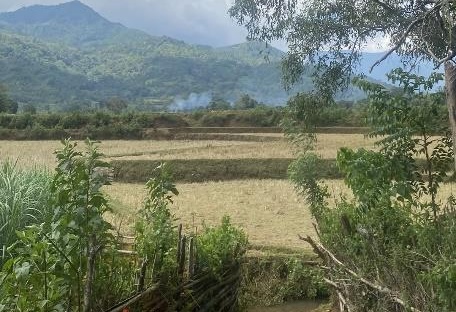
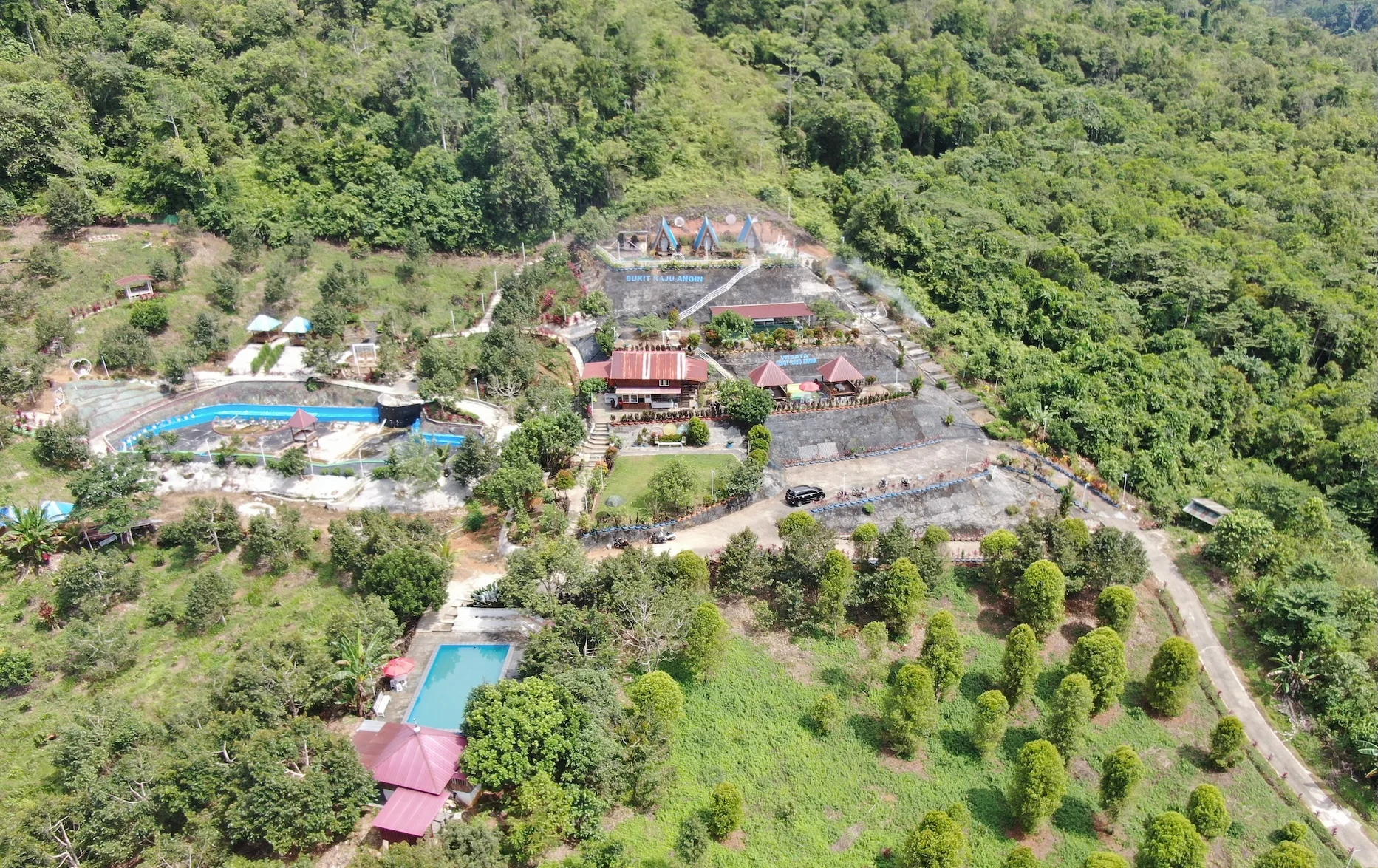
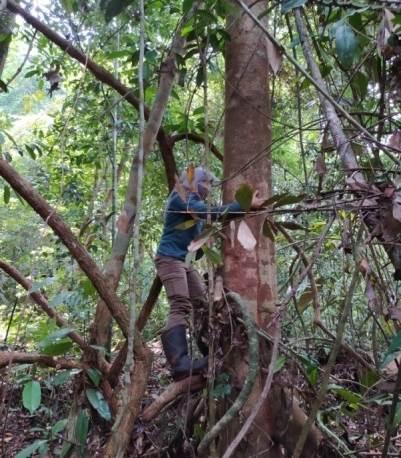
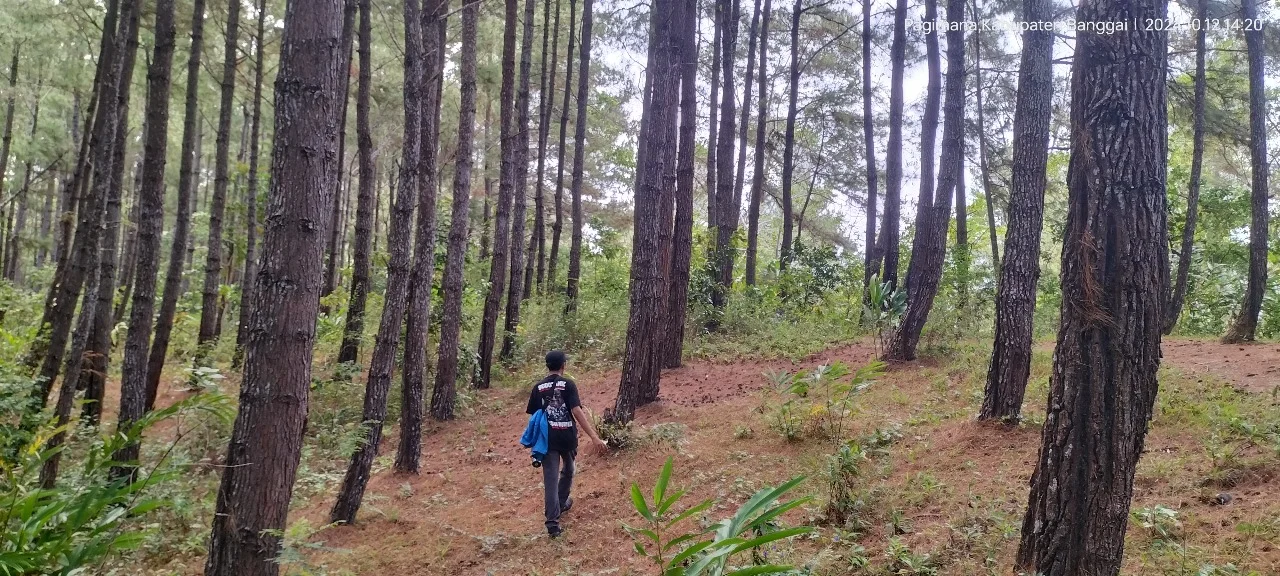
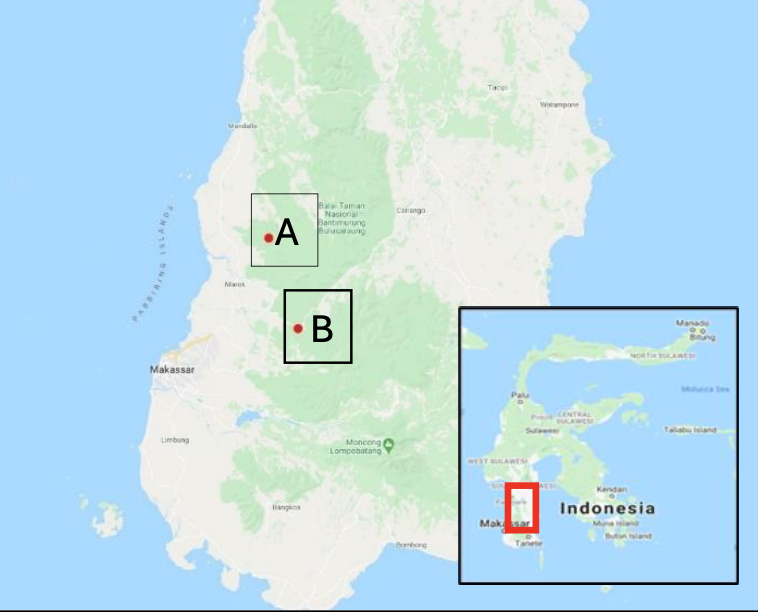
This research was conducted in the Boritallasa Community Forestry Area Boritallasa, located in Rappolemba Village, Tompobulu District, Gowa Regency, South Sulawesi Province, Indonesia. The area is managed by the Boritallasa Forest Farmer Group Boritallasa, which has developed coffee-based agroforestry as one of its primary livelihood strategies under the Social Forestry Program. Coffee cultivation is integrated with various shade tree species and multipurpose trees, creating a diversified agroforestry system that supports both household income and environmental sustainability.
The study area was purposively selected because coffee agroforestry represents the dominant land-use practice among group members and involves the participation of both men and women in different management activities. This condition provides an appropriate setting for examining gender roles within agroforestry management at the household level.
2) Research Design
This study employed a case study approach combining descriptive quantitative and qualitative analyses. The approach was selected to capture both measurable patterns of participation and contextual explanations regarding gender roles in coffee agroforestry management.
Gender roles were analyzed using the Gender Analysis Framework developed by Moser (1993), which classifies gender-related activities into productive, reproductive, and community roles. The framework has been widely applied in studies examining labor division and participation in agricultural and agroforestry systems (March et al., 1999; Awalina et al., 2016).
The study focused on two main aspects:
Gender roles in coffee agroforestry management activities.
Participation of men and women in household decision-making related to coffee agroforestry management
3) Sampling and Respondents
Respondents were selected using purposive sampling. The selection criteria included:
Registered members of KTH Boritallasa.
Actively engaged in coffee agroforestry activities.
Having experience in managing coffee agroforestry for at least three years.
Willing to participate in interviews and field observations.
A total of 20 respondents were involved in the study. Considering the objective of understanding gender-based participation patterns, respondents consisted of both male and female household members who were directly involved in agroforestry management.
Table 1. Respondent Selection Criteria

4) Data Collection
Primary data were collected between February and March 2026 through structured questionnaires, semi-structured interviews, and field observations. Structured questionnaires were used to identify the level of participation of men and women in different stages of coffee agroforestry management. These stages included land preparation, planting, maintenance, harvesting, and post-harvest handling.
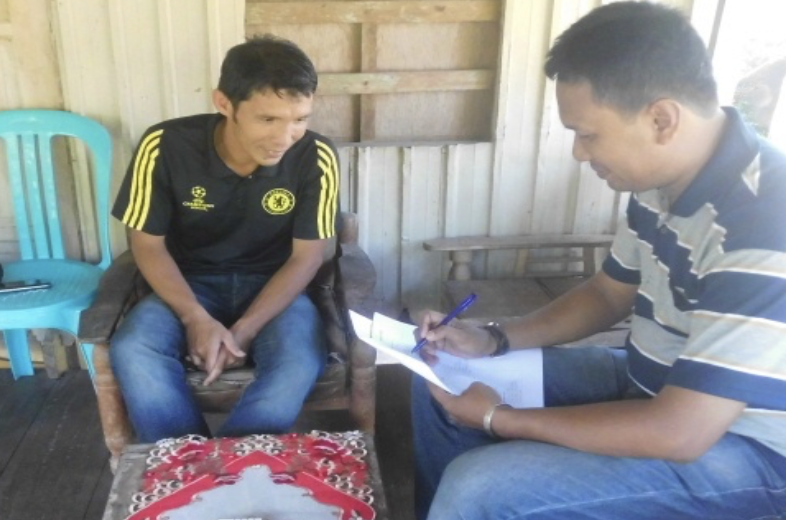
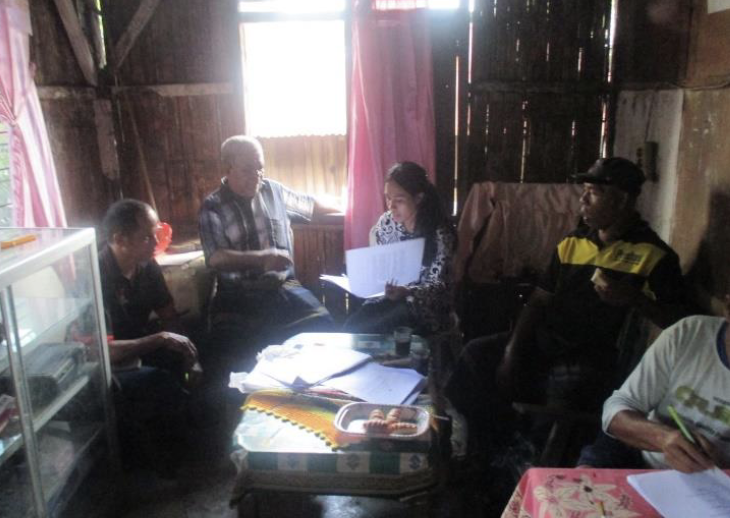
Semi-structured interviews were conducted to obtain in-depth information regarding labor division, household responsibilities, participation in decision-making, and perceptions related to gender roles. Interviews allowed respondents to explain the reasons underlying their involvement in specific activities and to describe how responsibilities were negotiated within the household.
Field observations were conducted to verify information obtained through questionnaires and interviews and to document actual farming practices in the study area.
Table 2. Variables and Indicators Used in the Study
5) Measurement of Participation
Participation levels were classified into three categories based on the frequency and intensity of involvement reported by respondents.
Table 3. Participation Categories
This classification was adopted to provide a clearer interpretation of gender participation patterns and to reduce ambiguity associated with subjective assessments of involvement.
6) Data Analysis
Quantitative data were analyzed using descriptive statistics, including frequencies and percentages, to summarize participation patterns of men and women across different coffee agroforestry management activities. Descriptive statistics are commonly used in social and agricultural research to describe respondent characteristics and participation patterns in a clear and interpretable manner (Creswell & Creswell, 2018).
The percentage of participation was calculated using:
where:
P = participation percentage (%)
n = number of respondents involved in a specific activity
N = total number of respondents
The resulting percentages were used to compare the relative involvement of men and women across productive, reproductive, community, and decision-making activities.
Qualitative data obtained from semi-structured interviews were analyzed using thematic analysis. This approach involved data familiarization, coding, theme development, theme review, and interpretation of recurring patterns related to gender roles in coffee agroforestry management. Thematic analysis is widely recognized as a flexible and rigorous qualitative method for identifying and interpreting patterns of meaning within qualitative datasets (Braun & Clarke, 2006; Braun & Clarke, 2021).
To strengthen the interpretation of gender relations, the findings were analyzed using the Moser Gender Analysis Framework, which classifies gender roles into productive, reproductive, and community roles while also examining access to and control over resources and decision-making processes (Moser, 1993; March et al., 1999). This framework has been widely applied in studies of rural livelihoods, agriculture, and agroforestry to understand the division of labor and participation patterns between men and women (Awalina et al., 2016).
3. Result and Discussion
1) Productive Roles in Coffee Agroforestry Management
Productive roles describe the involvement of men and women in coffee agroforestry management activities that directly contribute to household income generation. The results revealed differences in participation patterns between men and women across various stages of coffee agroforestry management (Table 4).
Table 4. Participation of Men and Women in Coffee Agroforestry Management Activities
Table 4 shows that men were more involved in land preparation, planting hole construction, planting, and crop maintenance activities, each accounting for 65% of total participation. These activities generally require substantial physical effort and are culturally associated with male responsibilities in agricultural production systems.
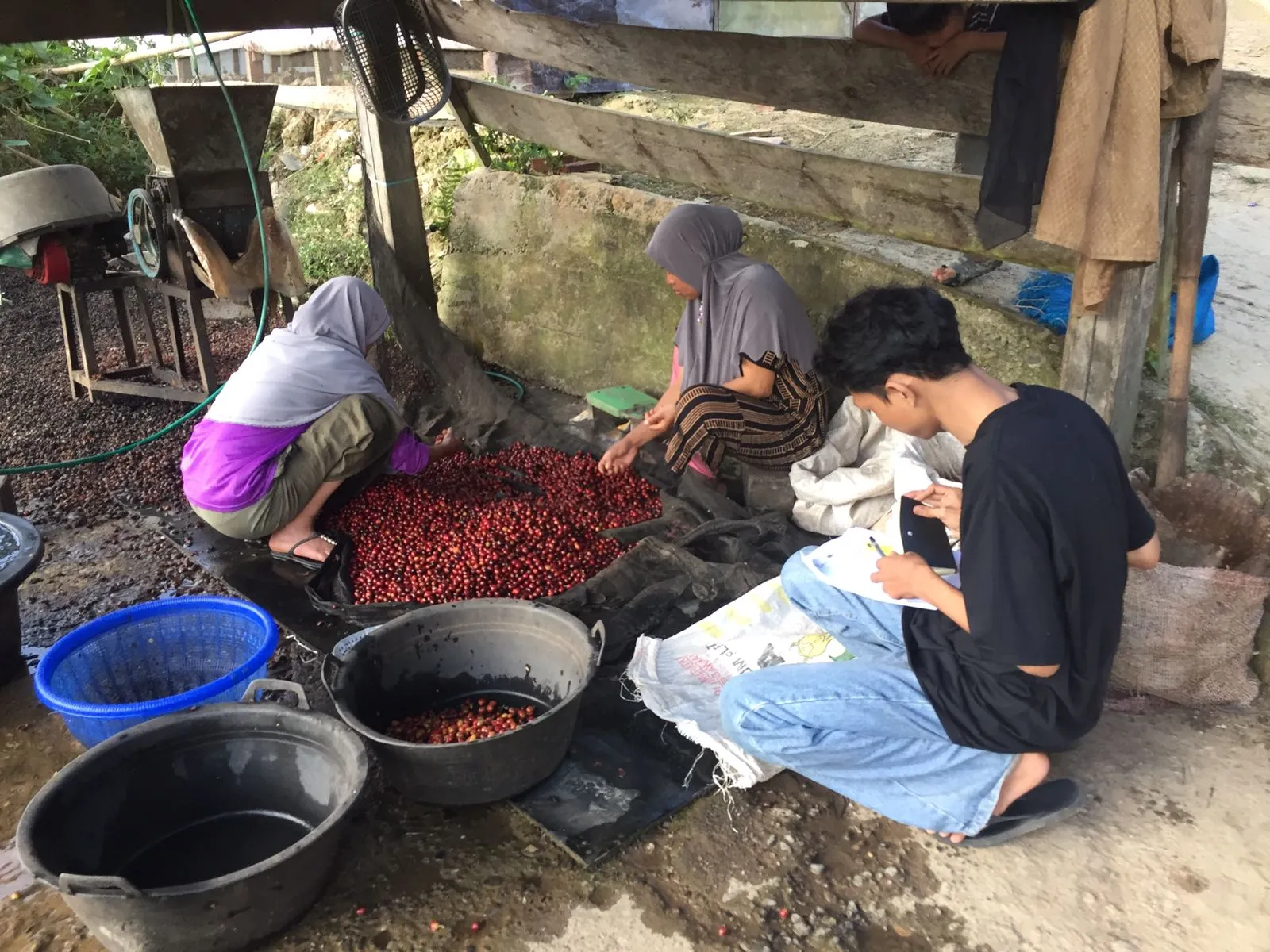
In contrast, women demonstrated higher participation in harvesting (65%) and post-harvest activities (85%). The high involvement of women in post-harvest processing indicates their important contribution to maintaining coffee quality and preparing products for marketing. Similar patterns have been reported in coffee agroforestry systems where women play a crucial role in labor-intensive activities requiring precision and continuity, particularly during harvesting and post-harvest stages (Mulyoutami et al., 2021; Kassaye et al., 2025).
These findings suggest that productive roles in the Boritallasa Community Forestry Area are characterized by a complementary division of labor. Men primarily undertake physically demanding field activities, while women contribute substantially to activities associated with harvesting and product handling. From the perspective of Moser’s Gender Analysis Framework, productive responsibilities are distributed according to perceived capacities and household labor arrangements rather than being exclusively performed by one gender (Moser, 1993).
2) Reproductive Roles in Farming Households
Reproductive roles refer to unpaid domestic activities that support household welfare and the daily reproduction of labor. These activities include food preparation, childcare, house cleaning, laundry, household shopping, and financial management.
Table 5. Participation in Reproductive Activities
The results indicate that reproductive activities remain largely dominated by women. Women accounted for 90% of cooking activities, 85% of house cleaning, 95% of laundry responsibilities, and 95% of daily household financial management. These findings demonstrate that women continue to bear the primary responsibility for domestic work despite their active involvement in coffee agroforestry production.
The dual burden experienced by women is evident from their simultaneous participation in productive and reproductive activities. While women were actively engaged in harvesting and post-harvest management, they also remained responsible for most domestic tasks. Similar findings have been documented in rural agricultural communities across Indonesia, where women contribute significantly to household livelihoods while maintaining primary responsibility for reproductive work (Awalina et al., 2016).
Although some male participation was observed in childcare (35%) and household shopping (45%), domestic responsibilities remained predominantly associated with women. This condition suggests that traditional gender norms continue to influence labor allocation within farming households.
3) Community Roles and Participation in Farmer Groups
Community roles refer to participation in collective activities related to farmer organizations, extension services, training programs, and community development initiatives.
Table 6. Participation in Community and Farmer Group Activities
The findings indicate that men were generally more active in formal community and organizational activities. Participation in farmer group meetings reached 90% among men, compared to only 10% among women. This pattern suggests that men continue to act as the primary representatives of households in organizational decision-making processes.
However, women’s participation was more evident in activities that involved knowledge sharing and community engagement. Notably, participation in forestry extension programs was equally distributed between men and women (50% each), indicating increasing opportunities for women to access information and technical knowledge related to agroforestry management (Asha et al., 2025).
The relatively balanced participation in extension activities may reflect ongoing efforts to promote inclusive participation within social forestry programs. Previous studies have highlighted that women’s involvement in training and extension programs can strengthen their capacity to contribute to agroforestry management and household decision-making (Mulyoutami et al., 2020). Overall, the results suggest that while formal organizational participation remains male-dominated, women have begun to gain greater access to community-based learning opportunities that support their involvement in agroforestry management (Triwanto et al., 2023).
4) Gender Participation in Household Decision-Making
Participation in decision-making represents an important indicator of access to authority and control over productive resources. The study found varying patterns of gender participation depending on the type of decision being made (Table 7).
The results show that men played a dominant role in technical farming decisions, particularly regarding planting activities (65%). Their greater involvement in field operations likely contributed to their stronger influence over production-related decisions.
However, decision-making patterns became more balanced for issues directly affecting household welfare and income management. Joint decision-making was highest for the use of coffee income (60%) and coffee marketing (55%). These findings indicate that women actively participate in decisions concerning household economic management, despite their lower representation in technical agricultural decisions
Table 7. Gender Participation in Household Decision-Making
The increasing prevalence of joint decision-making suggests that coffee agroforestry management in the Boritallasa Community Forestry Area is characterized by shared household responsibilities rather than exclusive control by either gender. Such collaborative decision-making may strengthen household resilience by integrating the knowledge, experiences, and priorities of both men and women (Enete & Amusa, 2010).
From a gender perspective, these findings demonstrate that women’s contributions extend beyond domestic responsibilities and agricultural labor. Their involvement in financial and marketing decisions reflects a meaningful role in shaping household livelihood strategies and supporting the sustainability of coffee agroforestry systems (Kalanzi et al., 2020).
4. Conclusion
This study demonstrates that gender roles in coffee agroforestry management within the Boritallasa Community Forestry Area are characterized by a complementary division of labor between men and women. Men were more actively involved in physically demanding productive activities, including land preparation, planting, and crop maintenance, whereas women played a dominant role in harvesting and post-harvest handling. In addition to their substantial contribution to productive activities, women remained primarily responsible for reproductive roles such as cooking, house cleaning, laundry, and household financial management, indicating the persistence of a dual workload within farming households.
The findings further reveal differences in community participation and household decision-making. Men were more active in formal farmer group activities and organizational meetings, while women showed increasing participation in training and extension programs. Although technical farming decisions were largely influenced by men, decisions related to coffee marketing and the utilization of coffee income were more frequently made jointly, suggesting the emergence of collaborative decision-making patterns within households. These results indicate that the sustainability of coffee agroforestry systems is supported by the contributions of both men and women through interconnected productive, reproductive, community, and decision-making roles. From a practical perspective, the findings highlight the importance of integrating gender-sensitive approaches into social forestry and agroforestry development programs. Increasing women’s access to farmer organizations, training opportunities, and leadership roles may strengthen their contribution to agroforestry management and enhance household welfare outcomes.
Nevertheless, this study has several limitations that should be considered when interpreting the findings. The research was conducted as a single case study involving a relatively small number of respondents and relied primarily on descriptive analysis of participation patterns. Consequently, the findings may not fully capture broader variations in gender relations, access to resources, control over benefits, or power dynamics across different social forestry contexts. Future research is therefore recommended to employ larger sample sizes, comparative studies across multiple community forestry areas, and more comprehensive gender-analysis frameworks that examine access, control, benefits, and decision-making authority. In addition, further studies should explore how gender roles influence agroforestry productivity, household income, livelihood resilience, and the long-term sustainability of social forestry programs.
5. Author Contributions
N.A.R. conceptualized the study, collected field data, conducted data analysis, and drafted the manuscript. [R.A] supervised the research, contributed to methodological development, and reviewed the manuscript. [H, H, S, & A.A.A] contributed to data interpretation, manuscript revision, and scientific validation. All authors approved the final manuscript.
6. Competing Interests
The authors declare that they are free of any commercial, financial, or personal relationships that could be construed as a potential conflict of interest.
7. Acknowledgements
This study was conducted as part of the undergraduate thesis of the first author at the Forestry Study Program, Department of Forestry, Muhammadiyah University of Makassar. The authors gratefully acknowledge the support of the Boritallasa Community Forestry Farmer Group and all respondents who participated in this research. The authors also thank the academic supervisors for their valuable guidance and constructive feedback throughout the research process.
8. References
Asha, S. B. R., Ashraf, S. M. K., Rana, Md. T., Ripta, S. K., Afroz, Mst. S., Urmi, S. M. S. T., Rahat, A., Shafiqe, S. B., & Islam, K. K. (2025). Gender role in agroforestry adoption and management in Garo ethnic community of Bangladesh. Sustainable Social Development, 3(2), 2961–2961. https://doi.org/10.54517/ssd2961
Awalina, D., Isnurdiansyah, Janudianto, Khususiyah, N., Martini, E., Mulyoutami, E., Suyanto, S., & Wau, D. (2016). Women’s participation in agroforestry: More benefit or burden? A gendered analysis of Gorontalo Province. World Agroforestry Centre (ICRAF).
Braun, V., & Clarke, V. (2006). Using thematic analysis in psychology. Qualitative Research in Psychology, 3(2), 77–101. https://doi.org/10.1191/1478088706qp063oa
Braun, V., & Clarke, V. (2021). Conceptual and design thinking for thematic analysis. Qualitative Psychology, 9(1), 3–26.
Creswell, J. W., & Creswell, J. D. (2018). Research Design: Qualitative, Quantitative, and Mixed Methods Approaches (5th ed.). Sage Publications.
Elias, M., & Adeyiga, G. (2025). Enhancing gender equality in agroforestry systems. Agroforestry Systems, 99, 1–18.
Enete, A. A., & Amusa, T. A. (2010). Contribution of Men and Women to Farming Decisions in Cocoa Based Agroforestry Housholds of Ekiti State, Nigeria. Tropicultura, 28(2), 77–83.
Galudra, G., Rubio Echazarra, N., Juita, R., & Silori, C. S. (2024). Transforming agroforestry through gender practice: Challenges and opportunities. Tropical Forest Issues, 62, 1–12.
Indraswati, E. (2025). Temporalitas gender dalam agroekologi pertanian kopi rakyat: Studi sosial-ekologis di Desa Sedayu, Semaka, Tanggamus, Lampung. Jurnal Ilmu Sosial dan Humaniora, 4(2), 341–354. https://doi.org/10.57248/jishum.v4i2.752
Kalanzi, F., Isubikalu, P., Kyazze, F. B., Orikiriza, L. J. B., Kiyingi, I., & Assefa, H. (2020). Intra-household decision-making among smallholder agroforestry farmers in the eastern highlands of Uganda. The Journal of Agricultural Extension, 8(2), 97–111. https://doi.org/10.33687/IJAE.008.02.3251
Kassaye, K. K., Kassa, G. K., & Abdi, A. T. (2025). Gender roles in agroforestry value chains: Evidence from fruit tree-based agroforestry in Dodota District, Ethiopia. Frontiers in Sustainable Food Systems, 9, 1448956. https://doi.org/10.3389/fsufs.2025.1448956
March, C., Smyth, I., & Mukhopadhyay, M. (1999). A Guide to Gender-Analysis Frameworks. Oxfam Publications. https://doi.org/10.3362/9780855987602
Moser, C. O. N. (1993). Gender Planning and Development: Theory, Practice and Training. Routledge. https://doi.org/10.14324/978020341194
Mulyoutami, E., Lusiana, B., & van Noordwijk, M. (2020). Gendered migration and agroforestry in Indonesia: Livelihoods, labor, know-how, networks. Land, 9(12), 529. https://doi.org/10.3390/land9120529
Mulyoutami, E., Martini, E., & Roshetko, J. M. (2021). An overview of the potential impacts of interventions on diverse coffee agroforestry systems to gender dynamics in Pagar Alam District, South Sumatra. World Agroforestry (ICRAF).
Triwanto, J., Rahayu, E. M., suhermanto, O. D., Kurniawan, A., & Muttaqin, T. (2023). Dynamics of gender in agroforestry management and its impact on household income: a case study in Bendosari, Pujon, Malang, Indonesia. International Forestry Review. https://doi.org/10.1505/146554823838028193.
Copyright (c) 2026 Jurnal Wasian

This work is licensed under a Creative Commons Attribution 4.0 International License.
Copyright and License
All articles published in Wasian Journal are the property of the authors. By submitting an article to Wasian Journal, authors agree to the following terms:
-
Copyright Ownership: The author(s) retain copyright and full publishing rights without restrictions. Authors grant the journal the right to publish the work first and to distribute it as open access under a Creative Commons Attribution 4.0 International License (CC BY 4.0).
-
Licensing: Articles published in Wasian Journal are licensed under a Creative Commons Attribution 4.0 International License (CC BY 4.0). This license allows others to share, copy, and redistribute the material in any medium or format, and adapt, remix, transform, and build upon the material for any purpose, even commercially, provided that proper credit is given to the original author(s) and the source of the material

This work is licensed under a Creative Commons Attribution 4.0 International License. -
Author's Rights: Authors are permitted and encouraged to post their work online (e.g., in institutional repositories or on their website) prior to and during the submission process, as it can lead to productive exchanges and greater citation of published work.
-
Third-Party Content: If your article contains material (e.g., images, tables, or figures) for which you do not hold copyright, you must obtain permission from the copyright holder to use the material in your article. This permission must include the right for you to grant the journal the rights described above.
-
Reprints and Distribution: Authors have the right to distribute the final published version of their work (e.g., post it to an institutional repository or publish it in a book), provided that the original publication in Wasian Journal is acknowledged.
For the reader you are free to:
- Share — copy and redistribute the material in any medium or format for any purpose, even commercially.
- Adapt — remix, transform, and build upon the material for any purpose, even commercially.
- The licensor cannot revoke these freedoms as long as you follow the license terms.
Under the following terms:
- Attribution — You must give appropriate credit , provide a link to the license, and indicate if changes were made . You may do so in any reasonable manner, but not in any way that suggests the licensor endorses you or your use.
- No additional restrictions — You may not apply legal terms or technological measures that legally restrict others from doing anything the license permits.
Notices:
You do not have to comply with the license for elements of the material in the public domain or where your use is permitted by an applicable exception or limitation .
No warranties are given. The license may not give you all of the permissions necessary for your intended use. For example, other rights such as publicity, privacy, or moral rightsmay limit how you use the material.
Similar Articles
- Elfrida Kastila Ine Tiga, Lusia Sulo Marimpan, Astin Elise Mau, Nixon Rammang, Assessing Agroforestry Impact on Household Income: A Study of the Bu’u Bei Community Forest (HKm) in Tina Bani Village, Ende, Indonesia , Jurnal Wasian: Vol. 11 No. 2 (2024): December
- Andi Mawaddah Zakiyah, Rini Pratiwi, Astina Astina, Widyanti Utami A, Unequal Value Capture in Non-TimberForest Product Chains with Evidence fromPine Resin Processing in Rural Indonesia , Jurnal Wasian: Vol. 13 No. 01 (2026): June
- Asjulia Asjulia, Herawaty Herawaty, Dian Mitrnawaty Sultan, Putri Alifiah, Synergy of Ecotourism Strategy, Conservation Awareness, and Social Participation in Supporting Forest Conservation and Ecological Stability , Jurnal Wasian: Vol. 13 No. 01 (2026): June
- Rini Pratiwi, Makkarennu Makkarennu, Ridwan Ridwan, Understanding Traditional Walnut Management System in Forest Communities of Selayar Islands, Indonesia , Jurnal Wasian: Vol. 12 No. 01 (2025): June
- Andika Lalu, Sitti Ramlah, Reinaldi Reinaldi, When Strong Institutions Meet Weak Economies: Lessons from Ecotourism Sustainability in Lombuyan Wildlife Sanctuary, Central Sulawesi , Jurnal Wasian: Vol. 12 No. 02 (2025): December
- Lusiana Pardede, Dian Iswandaru, Yulia Rahma Fitriana, Arief Darmawan, Hari Kaskoyo, Christine Wulandari, Rahmat Safe'I, Susni Herwanti, Novriyanti, Indra Gumay Febryano, Insectivorous Birds Dominate Across Land-Use Gradient Revealing Unexpected Ecological Resilience in Tropical Forest-Coffee Landscapes , Jurnal Wasian: Vol. 12 No. 01 (2025): June
- Sri Arfiani Rahim Sila, S.Hut., M.Hut, Andi Ridha Yayank Wijayanti, S.Hut., M.Hut, DR. hasanuddin Molo, MP, Community-based Strategies for Optimising Mangrove Forest Tourism Management in Balang Baru Village, Jeneponto Regency , Jurnal Wasian: Vol. 12 No. 02 (2025): December
- Afief Rif'an, Fadjri Maarif, Delima Ayu Gustina Situmorang, Understanding Generation Z's Ecotourism Motivation and Perception in Central Sulawesi , Jurnal Wasian: Vol. 11 No. 2 (2024): December
- I Wayan Sudiyanto, Wahyudi Wahyudi, Assessment and Spatial Mapping of Soil Degradation Status in Bontoharu District, Selayar Islands Regency: A Framework for Sustainable Land Management , Jurnal Wasian: Vol. 12 No. 01 (2025): June
- Nisa Nur Ramadhani , Wahyuni, Putri Fatimah Nurdin, Muhammad Daud, Spatiotemporal Land Cover Dynamics and Their Implications For Watershed Quality in the Minraleng Sub-Watershed, Indonesia , Jurnal Wasian: Vol. 13 No. 01 (2026): June
You may also start an advanced similarity search for this article.
Most read articles by the same author(s)
- A. Dwie Mochammad Abduh, Ahrani Akbar Fachri, Nur Qalbi Saesar Muharram, Rahmat Ariandi, Muh. Taufik , Andika Darmawangsa Ribawa, Identification of the Effectiveness of Land Cover in Some Areas in Borisallo Village for Conservation Measures , Jurnal Wasian: Vol. 11 No. 1 (2024): June
- Hananu Wisnu Wardana, Muthmainnah Muthmainnah , Hasanuddin Molo, Rahmat Ariandi, Community Perceptions and Preferences Toward Tourism Village Development in Kojadoi Village, East Alok Subdistrict, Sikka Regency, East Nusa Tenggara Province , Jurnal Wasian: Vol. 10 No. 02 (2023): December