Fostering Sustainabel Livelihood of the Saga Indigenous Community through Conservation Partnership in Kelimutu National Park, Nusa Tenggara Timur

Abstract
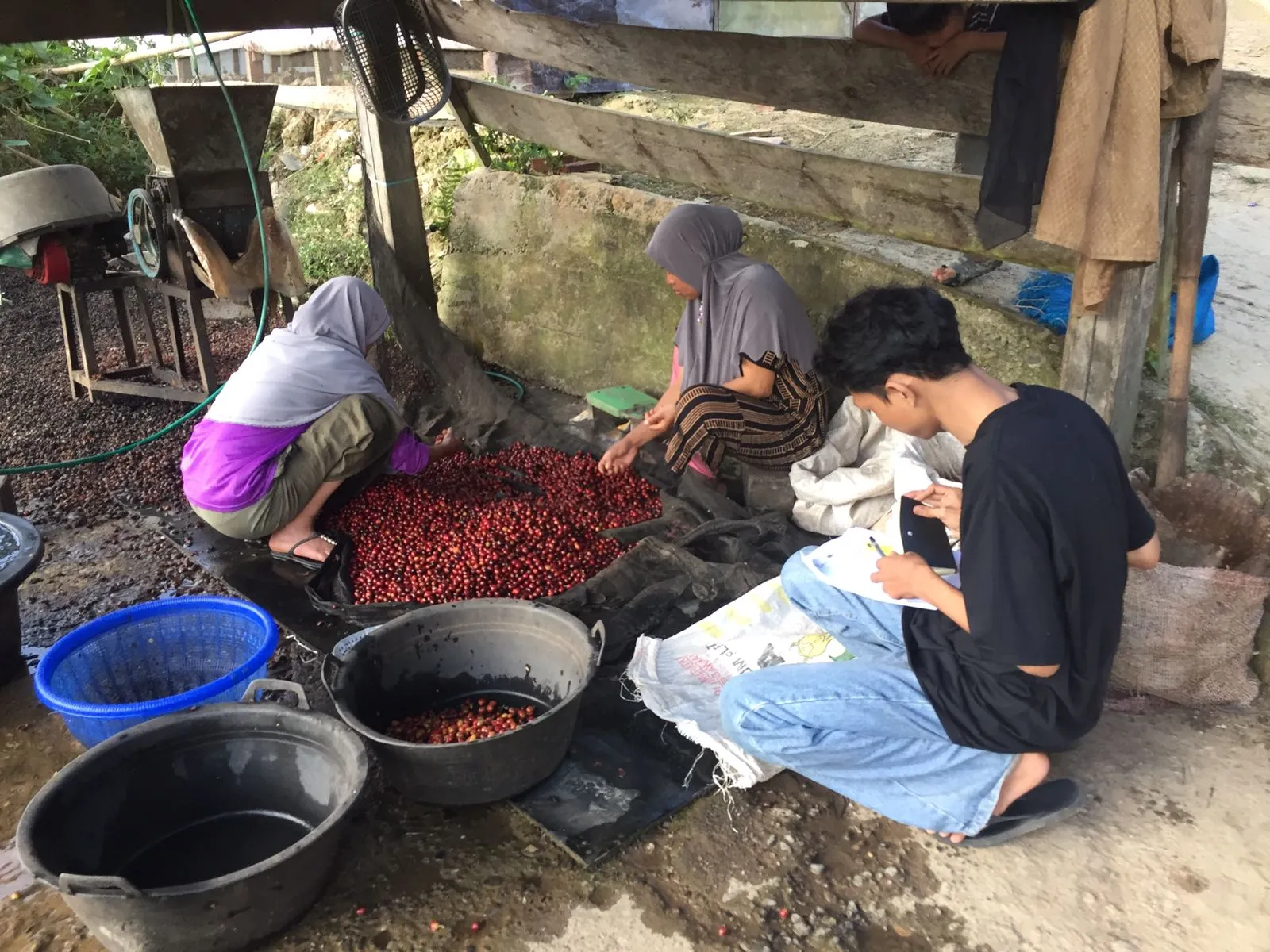
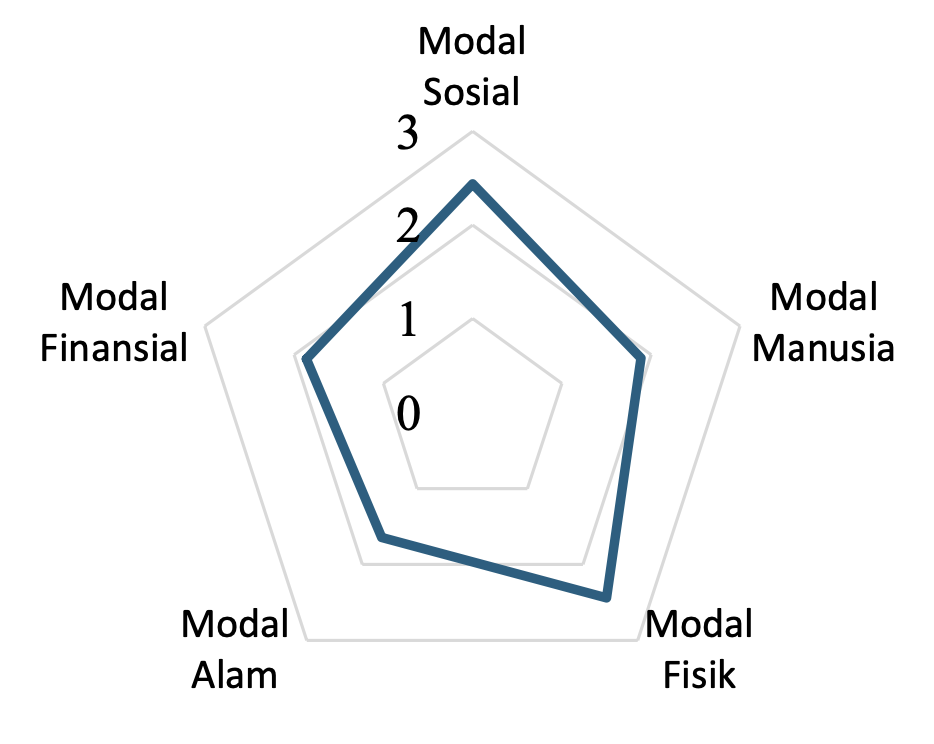
Currently, the Kelimutu National Park (KNP) is developing a conservation partnership approach to improve the welfare of local communities while restoring degraded ecosystems. This approach provides access to the community so that it is expected to be able to increase participation and be able to live harmoniously with the KNP environment. Communities around KNP still depend on forests and forest land to find a source of livelihood. Also, partnership schemes can be a solution to overcome tenurial conflicts. This study aims to describe the efforts of conservation partnerships in increasing sustainable livelihood assets , including natural, human, physical, social and financial capital, so that they can be used to measure the success of implementing conservation partnerships. This study uses qualitative methods with in-depth interviews and observation as data collection techniques. The results show conservation partnership in KNP increases natural capital as KNP establishes traditional zones for traditional coffee agroforestry practices, human capital through eco-interpreter training, social capital by strengthening Saga indigenous groups, and financial capital which indirectly increases accessibility and infrastructure needed for rural development. economy and tourism. Nonetheless, further efforts are still needed to increase the effectiveness and success of this conservation partnership program.
Copyright (c) 2023 Jurnal Wasian

This work is licensed under a Creative Commons Attribution-NonCommercial 4.0 International License.
Copyright and License
All articles published in Wasian Journal are the property of the authors. By submitting an article to Wasian Journal, authors agree to the following terms:
-
Copyright Ownership: The author(s) retain copyright and full publishing rights without restrictions. Authors grant the journal the right to publish the work first and to distribute it as open access under a Creative Commons Attribution 4.0 International License (CC BY 4.0).
-
Licensing: Articles published in Wasian Journal are licensed under a Creative Commons Attribution 4.0 International License (CC BY 4.0). This license allows others to share, copy, and redistribute the material in any medium or format, and adapt, remix, transform, and build upon the material for any purpose, even commercially, provided that proper credit is given to the original author(s) and the source of the material

This work is licensed under a Creative Commons Attribution 4.0 International License. -
Author's Rights: Authors are permitted and encouraged to post their work online (e.g., in institutional repositories or on their website) prior to and during the submission process, as it can lead to productive exchanges and greater citation of published work.
-
Third-Party Content: If your article contains material (e.g., images, tables, or figures) for which you do not hold copyright, you must obtain permission from the copyright holder to use the material in your article. This permission must include the right for you to grant the journal the rights described above.
-
Reprints and Distribution: Authors have the right to distribute the final published version of their work (e.g., post it to an institutional repository or publish it in a book), provided that the original publication in Wasian Journal is acknowledged.
For the reader you are free to:
- Share — copy and redistribute the material in any medium or format for any purpose, even commercially.
- Adapt — remix, transform, and build upon the material for any purpose, even commercially.
- The licensor cannot revoke these freedoms as long as you follow the license terms.
Under the following terms:
- Attribution — You must give appropriate credit , provide a link to the license, and indicate if changes were made . You may do so in any reasonable manner, but not in any way that suggests the licensor endorses you or your use.
- No additional restrictions — You may not apply legal terms or technological measures that legally restrict others from doing anything the license permits.
Notices:
You do not have to comply with the license for elements of the material in the public domain or where your use is permitted by an applicable exception or limitation .
No warranties are given. The license may not give you all of the permissions necessary for your intended use. For example, other rights such as publicity, privacy, or moral rightsmay limit how you use the material.
Similar Articles
- Andi Mawaddah Zakiyah, Rini Pratiwi, Astina Astina, Widyanti Utami A, Unequal Value Capture in Non-TimberForest Product Chains with Evidence fromPine Resin Processing in Rural Indonesia , Jurnal Wasian: Vol. 13 No. 01 (2026): June
- Andika Lalu, Sitti Ramlah, Reinaldi Reinaldi, When Strong Institutions Meet Weak Economies: Lessons from Ecotourism Sustainability in Lombuyan Wildlife Sanctuary, Central Sulawesi , Jurnal Wasian: Vol. 12 No. 02 (2025): December
- Asjulia Asjulia, Herawaty Herawaty, Dian Mitrnawaty Sultan, Putri Alifiah, Synergy of Ecotourism Strategy, Conservation Awareness, and Social Participation in Supporting Forest Conservation and Ecological Stability , Jurnal Wasian: Vol. 13 No. 01 (2026): June
- Adrayanti Sabar, Emban Ibnu Rusyid, Fitrah Diana, Ansar Ansar, Nur Annisa, Wening Ila Idzatilangi, Chinty Agustiningrum, Livelihood Assets of Lantebung Mangrove Ecotourism Community , Jurnal Wasian: Vol. 10 No. 02 (2023): December
- Muh Faisal Mappiasse, Andi Nurul Mukhlisa , Recognition and Analysis of Pest-Induced Damage in Mangrove Ecosystems: A Case Study in Maros Coastal Region , Jurnal Wasian: Vol. 11 No. 2 (2024): December
- Elfrida Kastila Ine Tiga, Lusia Sulo Marimpan, Astin Elise Mau, Nixon Rammang, Assessing Agroforestry Impact on Household Income: A Study of the Bu’u Bei Community Forest (HKm) in Tina Bani Village, Ende, Indonesia , Jurnal Wasian: Vol. 11 No. 2 (2024): December
- Nisa Nur Ramadhani , Wahyuni, Putri Fatimah Nurdin, Muhammad Daud, Spatiotemporal Land Cover Dynamics and Their Implications For Watershed Quality in the Minraleng Sub-Watershed, Indonesia , Jurnal Wasian: Vol. 13 No. 01 (2026): June
- Sri Arfiani Rahim Sila, S.Hut., M.Hut, Andi Ridha Yayank Wijayanti, S.Hut., M.Hut, DR. hasanuddin Molo, MP, Community-based Strategies for Optimising Mangrove Forest Tourism Management in Balang Baru Village, Jeneponto Regency , Jurnal Wasian: Vol. 12 No. 02 (2025): December
- Nur Reski, Rahmat Ariandi, Hajawa Hajawa, Hasanuddin Hasanuddin, Sultan Sultan, Andi Azis Abdullah, Gender Roles in Coffee Agroforestry Management: A Case Study of the Boritallasa Community Forestry Area, Gowa Regency, Indonesia , Jurnal Wasian: Vol. 13 No. 01 (2026): June
- I Wayan Sudiyanto, Wahyudi Wahyudi, Assessment and Spatial Mapping of Soil Degradation Status in Bontoharu District, Selayar Islands Regency: A Framework for Sustainable Land Management , Jurnal Wasian: Vol. 12 No. 01 (2025): June
You may also start an advanced similarity search for this article.