Evaluation of Vegetation and Wildlife in Gunung Ambang Nature Reserve

Abstract
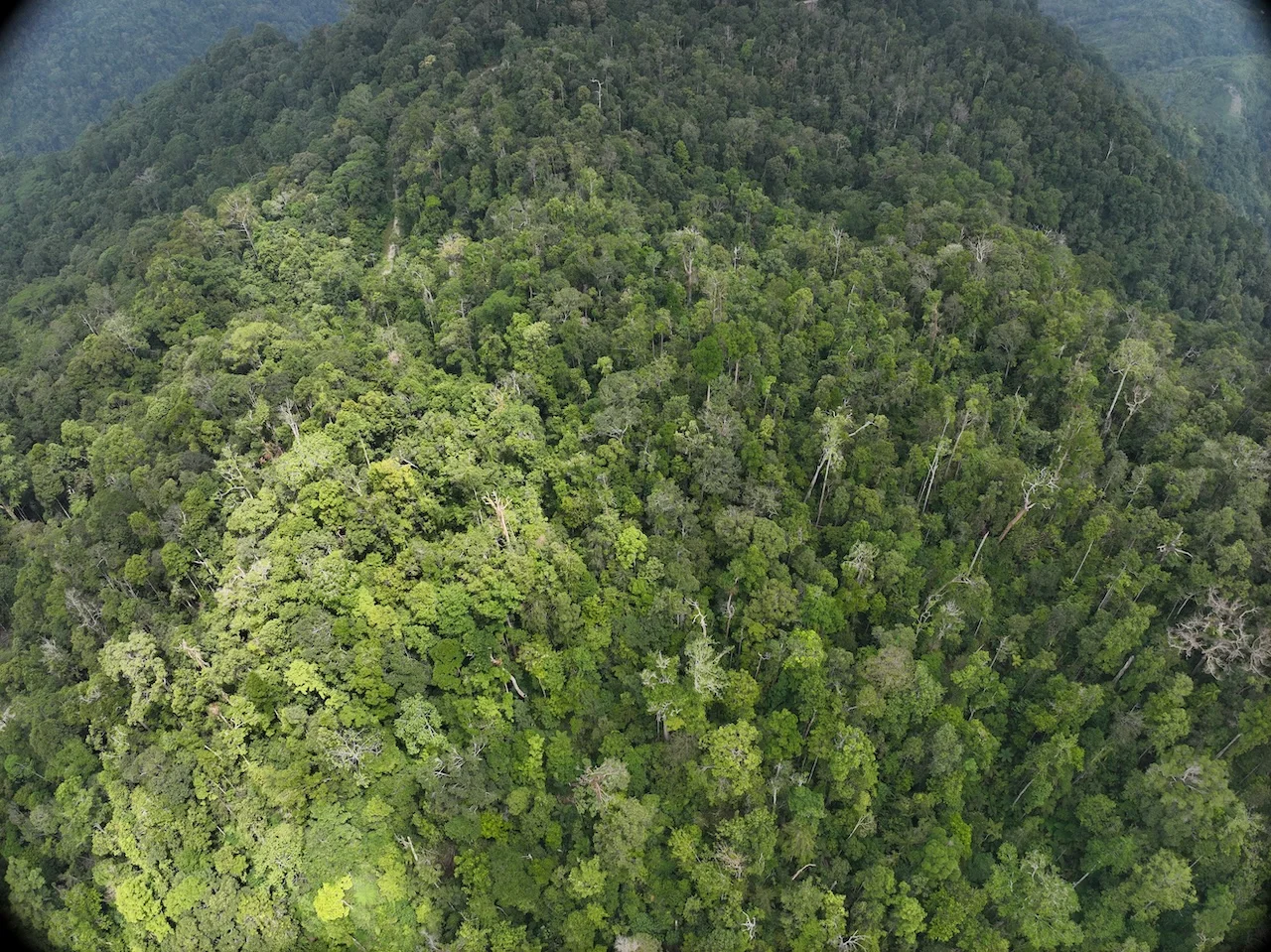
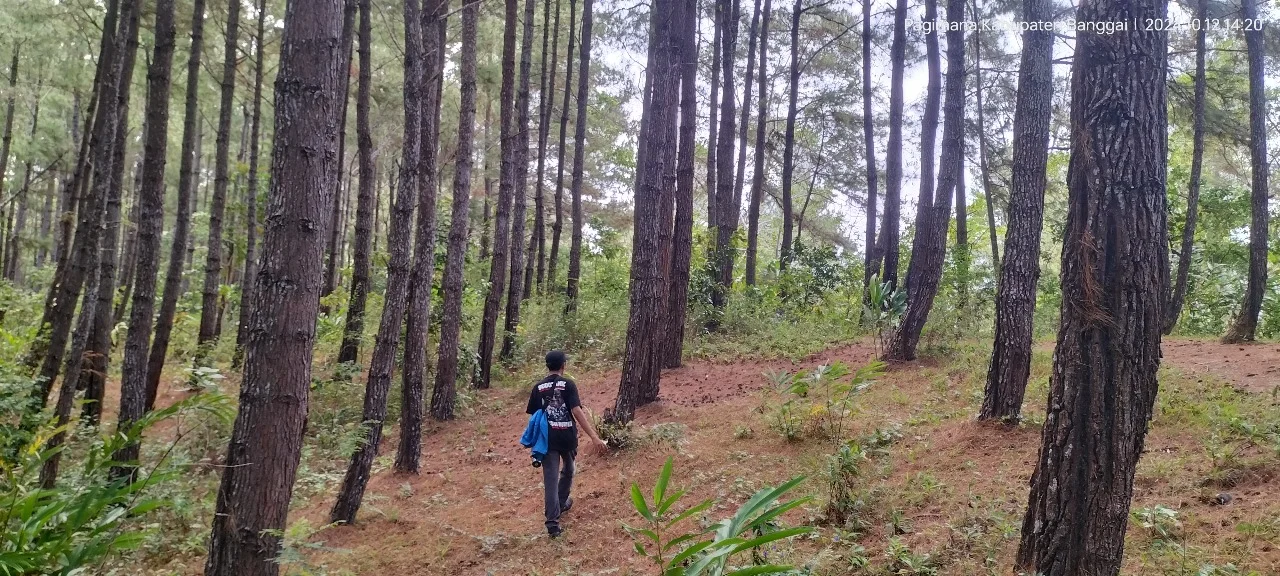
The objective of this research is to evaluate the ecosystem functions through vegetation and wildlife indicators. Methods used are vegetation analysis and direct indirect method to count wildlife . Results show that the dominant type of land coverage in Gunung Ambang Nature Reserve is open secondary forest, where shrubs, rattan, and epiphytes dominated. This might lead to vulnerability of the site toward disturbance. Furthermore, it was indicated that this area still contains local wildlife species such as Babyrousa babyrussa celebensis. Eventhough land degradation has become a significant issue, the status of Gunung Ambang as nature reserve has limited restoration attempts both vegetatively and mechanically.
Copyright (c) 2014 Jurnal Wasian

This work is licensed under a Creative Commons Attribution-NonCommercial 4.0 International License.
Copyright and License
All articles published in Wasian Journal are the property of the authors. By submitting an article to Wasian Journal, authors agree to the following terms:
-
Copyright Ownership: The author(s) retain copyright and full publishing rights without restrictions. Authors grant the journal the right to publish the work first and to distribute it as open access under a Creative Commons Attribution 4.0 International License (CC BY 4.0).
-
Licensing: Articles published in Wasian Journal are licensed under a Creative Commons Attribution 4.0 International License (CC BY 4.0). This license allows others to share, copy, and redistribute the material in any medium or format, and adapt, remix, transform, and build upon the material for any purpose, even commercially, provided that proper credit is given to the original author(s) and the source of the material

This work is licensed under a Creative Commons Attribution 4.0 International License. -
Author's Rights: Authors are permitted and encouraged to post their work online (e.g., in institutional repositories or on their website) prior to and during the submission process, as it can lead to productive exchanges and greater citation of published work.
-
Third-Party Content: If your article contains material (e.g., images, tables, or figures) for which you do not hold copyright, you must obtain permission from the copyright holder to use the material in your article. This permission must include the right for you to grant the journal the rights described above.
-
Reprints and Distribution: Authors have the right to distribute the final published version of their work (e.g., post it to an institutional repository or publish it in a book), provided that the original publication in Wasian Journal is acknowledged.
For the reader you are free to:
- Share — copy and redistribute the material in any medium or format for any purpose, even commercially.
- Adapt — remix, transform, and build upon the material for any purpose, even commercially.
- The licensor cannot revoke these freedoms as long as you follow the license terms.
Under the following terms:
- Attribution — You must give appropriate credit , provide a link to the license, and indicate if changes were made . You may do so in any reasonable manner, but not in any way that suggests the licensor endorses you or your use.
- No additional restrictions — You may not apply legal terms or technological measures that legally restrict others from doing anything the license permits.
Notices:
You do not have to comply with the license for elements of the material in the public domain or where your use is permitted by an applicable exception or limitation .
No warranties are given. The license may not give you all of the permissions necessary for your intended use. For example, other rights such as publicity, privacy, or moral rightsmay limit how you use the material.
Similar Articles
- Muh Faisal Mappiasse, Andi Nurul Mukhlisa , Recognition and Analysis of Pest-Induced Damage in Mangrove Ecosystems: A Case Study in Maros Coastal Region , Jurnal Wasian: Vol. 11 No. 2 (2024): December
- Encep Rachman, Aditya Hani, The Potential of Vegetation Species Diversity for Ecotorourism Development at Nature Reserve of Panjalu Lake , Jurnal Wasian: Vol. 4 No. 1 (2017): June
- Zsa Zsa Fairuztania, Abdul Haris Mustari, Habitat Characteristics and Population of Booted Macaque (Macaca ochreata) in Tanjung Peropa Wildlife Reserve , Southeast Sulawesi , Jurnal Wasian: Vol. 4 No. 2 (2017): December
- Asjulia Asjulia, Herawaty Herawaty, Dian Mitrnawaty Sultan, Putri Alifiah, Synergy of Ecotourism Strategy, Conservation Awareness, and Social Participation in Supporting Forest Conservation and Ecological Stability , Jurnal Wasian: Vol. 13 No. 01 (2026): June
- Andi Mawaddah Zakiyah, Rini Pratiwi, Astina Astina, Widyanti Utami A, Unequal Value Capture in Non-TimberForest Product Chains with Evidence fromPine Resin Processing in Rural Indonesia , Jurnal Wasian: Vol. 13 No. 01 (2026): June
- Wahyullah Wahyullah, Yefane Samperuru, Impact of Land Use Change on Water Yield Using the SWAT Model in the Minraleng Sub-Watershed, Maros , Jurnal Wasian: Vol. 13 No. 01 (2026): June
- Agung Wahyu Nugroho, Heru Dwi Riyanto, Study of Light Intensity in Riparian Zone of Teak Production Forest in KHDTK Cemoro Modang , Jurnal Wasian: Vol. 7 No. 1 (2020): June
- Hadijah Azis Karim, Nardy Noerman Najib, Nada Sofyan, Vegetation Characteristics of The Maleo Bird (Macrochepalon maleo) Habitat at Natural Tourism Park of Towuti Lake, South Sulawesi , Jurnal Wasian: Vol. 9 No. 1 (2022): June
- Tri Sayektiningsih, Amir Ma’ruf , Vegetation Characteristics of the Orangutan (Pongo pygmaeus morio) Habitat in the Riparian Forest of Menamang, East Kalimantan , Jurnal Wasian: Vol. 4 No. 1 (2017): June
- Supratman Tabba, Nurlita Indah Wahyuni, Hendra Susanto Mokodompit, Composition and Structure of Tiwoho Mangrove Vegetation at Bunaken National Parkional Park (Komposisi Dan Struktur Vegetasi Mangrove Tiwoho di Kawasan Taman Nasional Bunaken) , Jurnal Wasian: Vol. 2 No. 2 (2015): December
You may also start an advanced similarity search for this article.