Livelihood Assets of Lantebung Mangrove Ecotourism Community

Abstract
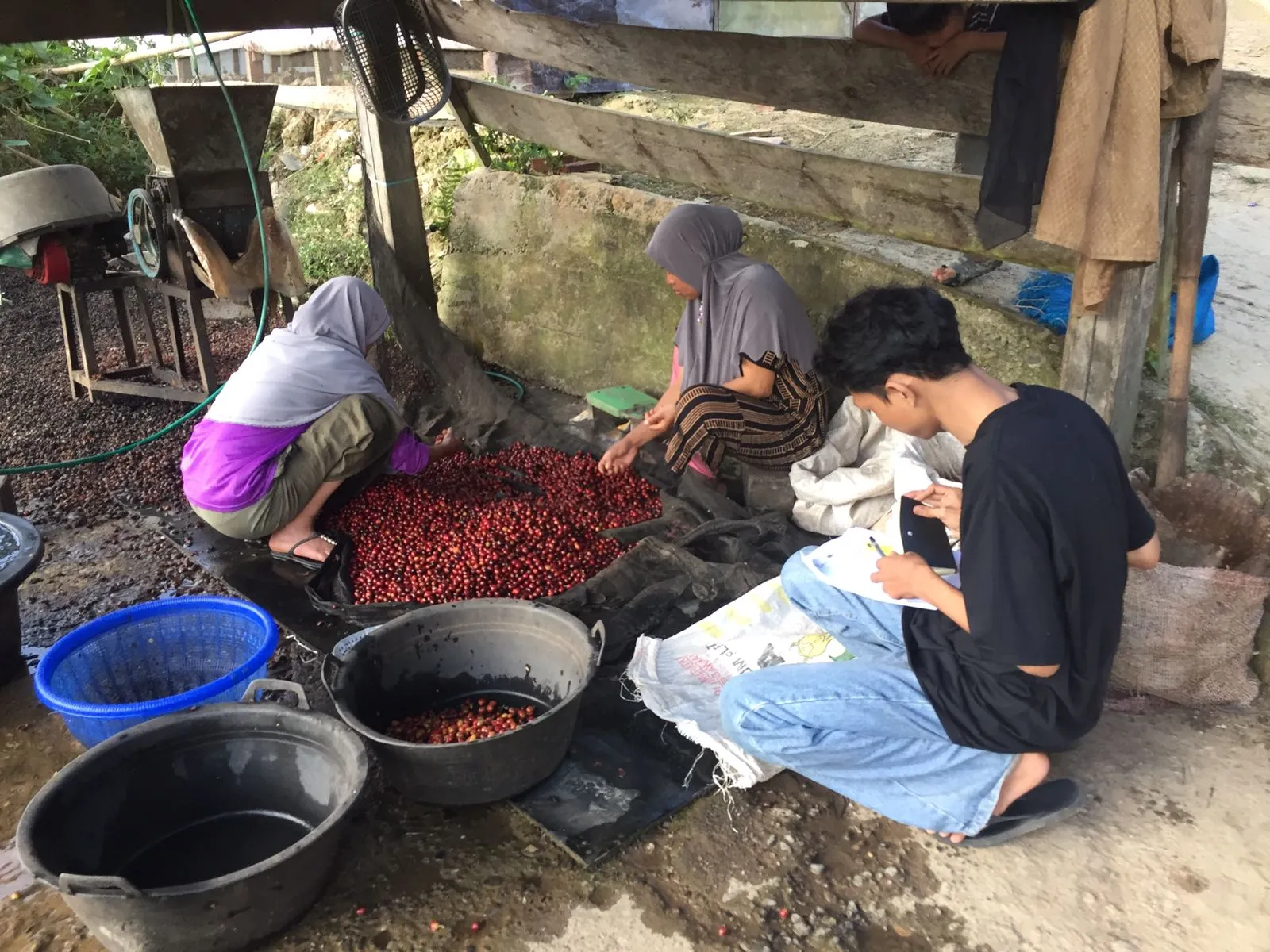
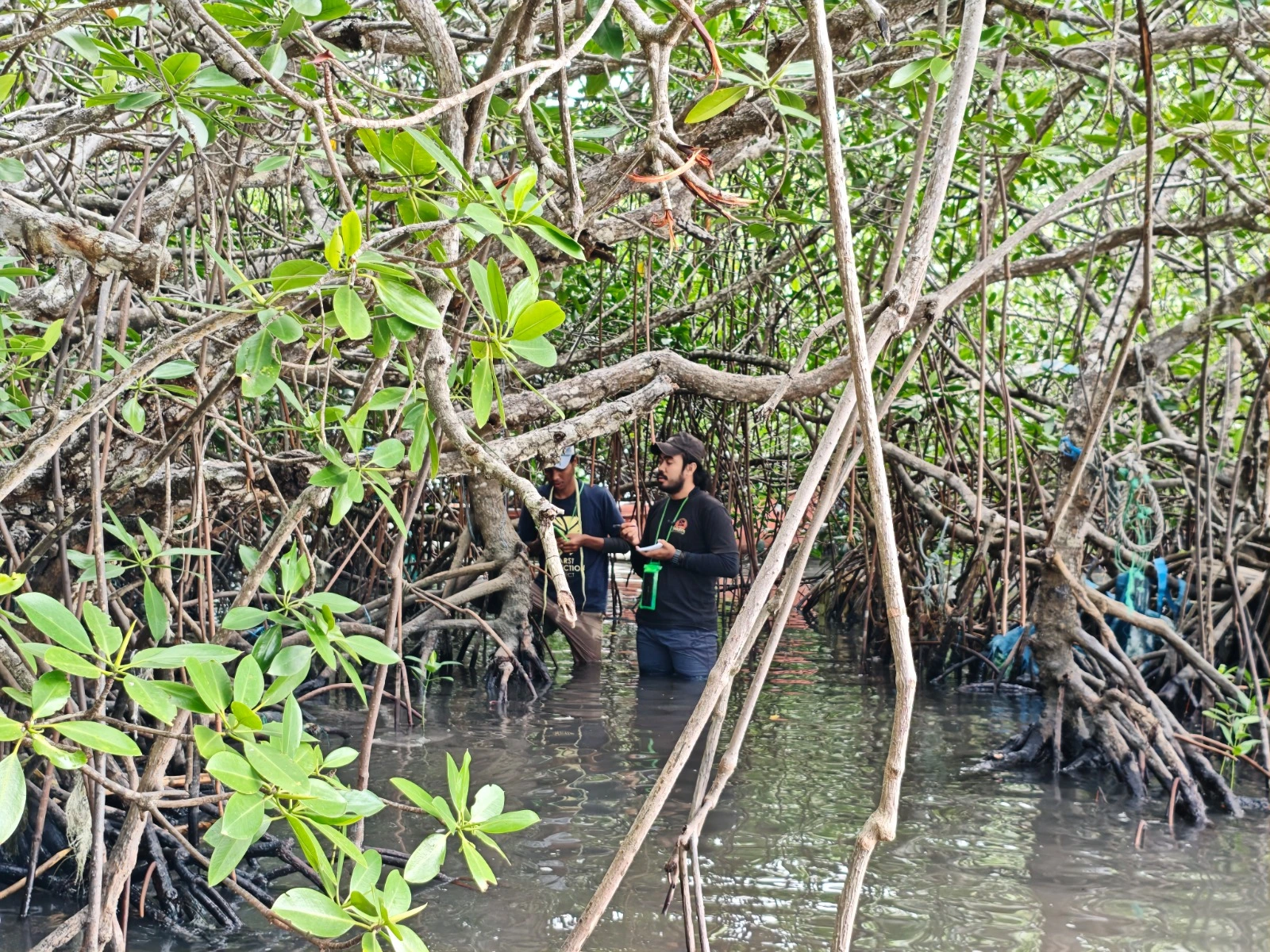
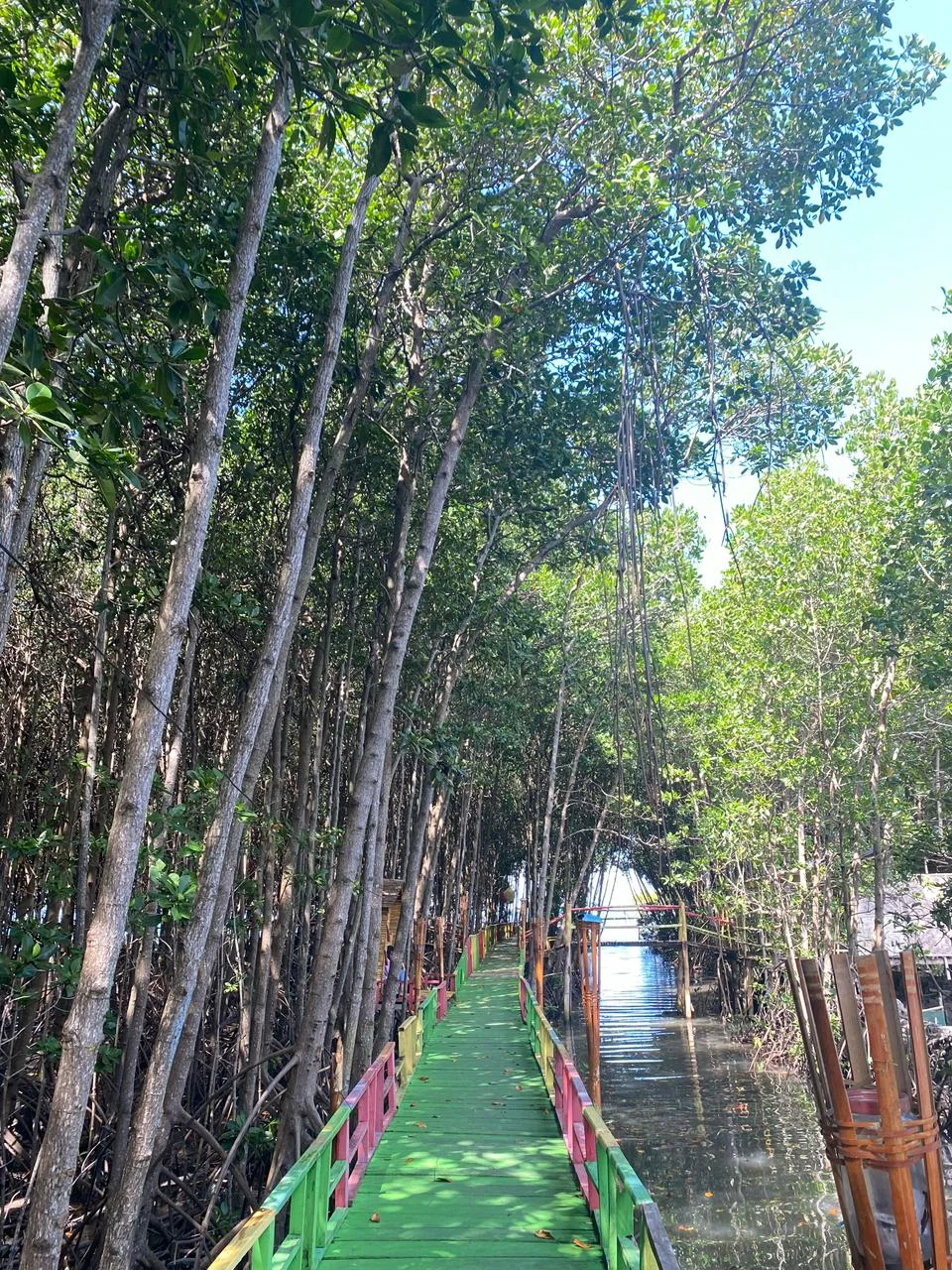
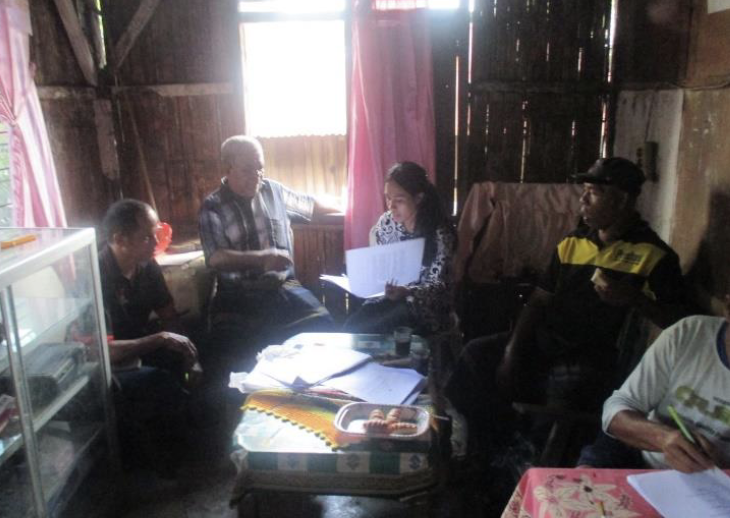
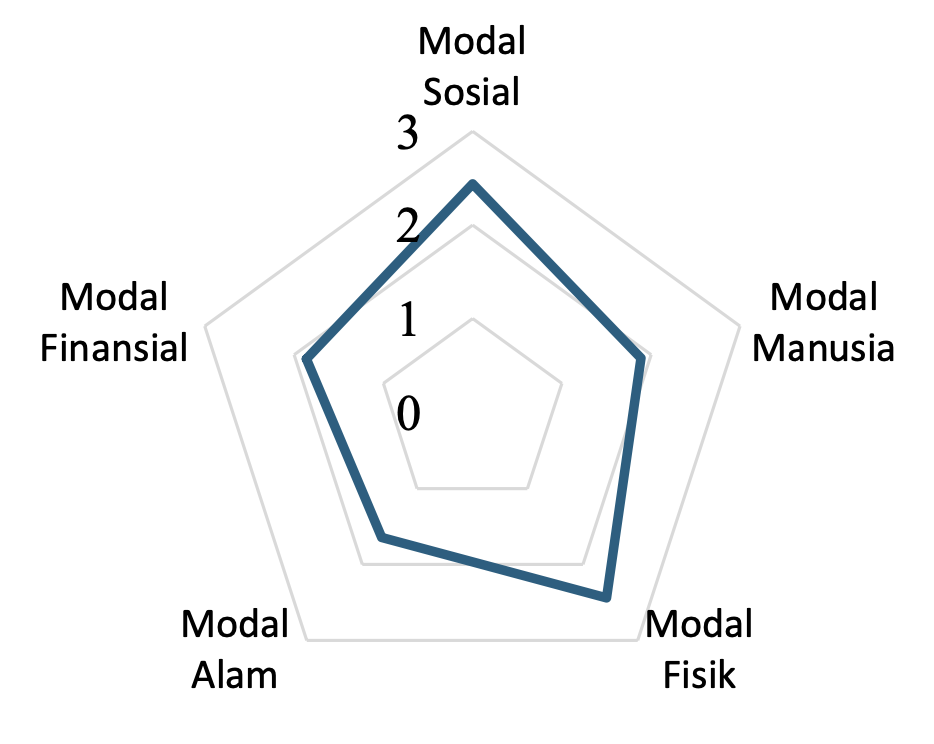
Encountering economic challenges, particularly in Indonesian coastal areas, has been a common occurrence for us. Particularly, the settlements situated along the seaside in isolated or disadvantaged regions. The repercussions of these issues manifest as a modification or reduction in the calibre of the coastal ecosystem. To address these issues, one possible approach is to carry out a Livelihood analysis. This strategy employs and consolidates the capital or assets possessed by the community, as delineated in the pentagonal assets model. The resulting pentagon diagram will illustrate the assets that can be enhanced or optimised to provide a balanced life for individuals. The research methodology employed is a descriptive analysis of the data collected through field observations, interviews, focus group discussions (FGDs), and documentation studies. The assessment of livelihood assets involves the evaluation of five types of capitals: human capital, natural capital, physical capital, social capital, and financial capital. These capitals are then analysed using the pentagonal assets model. The variables possessed by the five assets were quantified and subsequently categorised into high, medium, and low classifications. The findings indicated that the Lantebung mangrove ecotourism community had a satisfactory level of availability of livelihood assets. The asymmetrical shape of the resulting Pentagonal Assets is due to the unequal and imbalanced access that farmers have to the five assets. Additionally, this is due to the community's significant ownership of assets. The minimum score is 1.00, while the maximum score is 3.00. The community's social capital and physical capital have a score of 2.44 and are considered to have a high asset status. The status of human capital is moderate, with a score of 1.89, while the situation of financial capital is also moderate, with a score of 1.86. The lowest position is in natural capital, scoring 1.64.
Copyright (c) 2023 Jurnal Wasian

This work is licensed under a Creative Commons Attribution-NonCommercial 4.0 International License.
Copyright and License
All articles published in Wasian Journal are the property of the authors. By submitting an article to Wasian Journal, authors agree to the following terms:
-
Copyright Ownership: The author(s) retain copyright and full publishing rights without restrictions. Authors grant the journal the right to publish the work first and to distribute it as open access under a Creative Commons Attribution 4.0 International License (CC BY 4.0).
-
Licensing: Articles published in Wasian Journal are licensed under a Creative Commons Attribution 4.0 International License (CC BY 4.0). This license allows others to share, copy, and redistribute the material in any medium or format, and adapt, remix, transform, and build upon the material for any purpose, even commercially, provided that proper credit is given to the original author(s) and the source of the material

This work is licensed under a Creative Commons Attribution 4.0 International License. -
Author's Rights: Authors are permitted and encouraged to post their work online (e.g., in institutional repositories or on their website) prior to and during the submission process, as it can lead to productive exchanges and greater citation of published work.
-
Third-Party Content: If your article contains material (e.g., images, tables, or figures) for which you do not hold copyright, you must obtain permission from the copyright holder to use the material in your article. This permission must include the right for you to grant the journal the rights described above.
-
Reprints and Distribution: Authors have the right to distribute the final published version of their work (e.g., post it to an institutional repository or publish it in a book), provided that the original publication in Wasian Journal is acknowledged.
For the reader you are free to:
- Share — copy and redistribute the material in any medium or format for any purpose, even commercially.
- Adapt — remix, transform, and build upon the material for any purpose, even commercially.
- The licensor cannot revoke these freedoms as long as you follow the license terms.
Under the following terms:
- Attribution — You must give appropriate credit , provide a link to the license, and indicate if changes were made . You may do so in any reasonable manner, but not in any way that suggests the licensor endorses you or your use.
- No additional restrictions — You may not apply legal terms or technological measures that legally restrict others from doing anything the license permits.
Notices:
You do not have to comply with the license for elements of the material in the public domain or where your use is permitted by an applicable exception or limitation .
No warranties are given. The license may not give you all of the permissions necessary for your intended use. For example, other rights such as publicity, privacy, or moral rightsmay limit how you use the material.
Similar Articles
- Sri Arfiani Rahim Sila, S.Hut., M.Hut, Andi Ridha Yayank Wijayanti, S.Hut., M.Hut, DR. hasanuddin Molo, MP, Community-based Strategies for Optimising Mangrove Forest Tourism Management in Balang Baru Village, Jeneponto Regency , Jurnal Wasian: Vol. 12 No. 02 (2025): December
- Muh Faisal Mappiasse, Andi Nurul Mukhlisa , Recognition and Analysis of Pest-Induced Damage in Mangrove Ecosystems: A Case Study in Maros Coastal Region , Jurnal Wasian: Vol. 11 No. 2 (2024): December
- Asjulia Asjulia, Herawaty Herawaty, Dian Mitrnawaty Sultan, Putri Alifiah, Synergy of Ecotourism Strategy, Conservation Awareness, and Social Participation in Supporting Forest Conservation and Ecological Stability , Jurnal Wasian: Vol. 13 No. 01 (2026): June
- Andi Mawaddah Zakiyah, Rini Pratiwi, Astina Astina, Widyanti Utami A, Unequal Value Capture in Non-TimberForest Product Chains with Evidence fromPine Resin Processing in Rural Indonesia , Jurnal Wasian: Vol. 13 No. 01 (2026): June
- Andika Lalu, Sitti Ramlah, Reinaldi Reinaldi, When Strong Institutions Meet Weak Economies: Lessons from Ecotourism Sustainability in Lombuyan Wildlife Sanctuary, Central Sulawesi , Jurnal Wasian: Vol. 12 No. 02 (2025): December
- Afief Rif'an, Fadjri Maarif, Delima Ayu Gustina Situmorang, Understanding Generation Z's Ecotourism Motivation and Perception in Central Sulawesi , Jurnal Wasian: Vol. 11 No. 2 (2024): December
- Anugrahandini Nasir, Herawaty Herawaty, Ismail Ismail, Muh Izzul Muslimin Syah, Revealing Carbon Patterns Across Mangrove Density Variations Using Sentinel-2 NDVI , Jurnal Wasian: Vol. 12 No. 02 (2025): December
- Bertila Avila Delvion, Dwiko Budi Permadi, Hero Marhaento, Fostering Sustainabel Livelihood of the Saga Indigenous Community through Conservation Partnership in Kelimutu National Park, Nusa Tenggara Timur , Jurnal Wasian: Vol. 10 No. 02 (2023): December
- Vina Fitriana, Rujito Agus Suwignyo, Siti Fauziyah, The Changes in Vast Mangrove Area of Pantai Air Telang Protected Forest Banyuasin District using Landsat Imagery Data Time Series , Jurnal Wasian: Vol. 4 No. 2 (2017): December
- Tri Sayektiningsih, Ardiyanto Wahyu Nugroho, Ishak Yassir, Ulfah Karmila Sari, Amir Ma'ruf, Mukhlisi Mukhlisi, Adi Surya, Suryanto Suryanto, Community Perceptions of Impacts of Ecotourism and Its Implications on Ecotourism Development in the Balikpapan Bay, East Kalimantan , Jurnal Wasian: Vol. 6 No. 1 (2019): June
You may also start an advanced similarity search for this article.